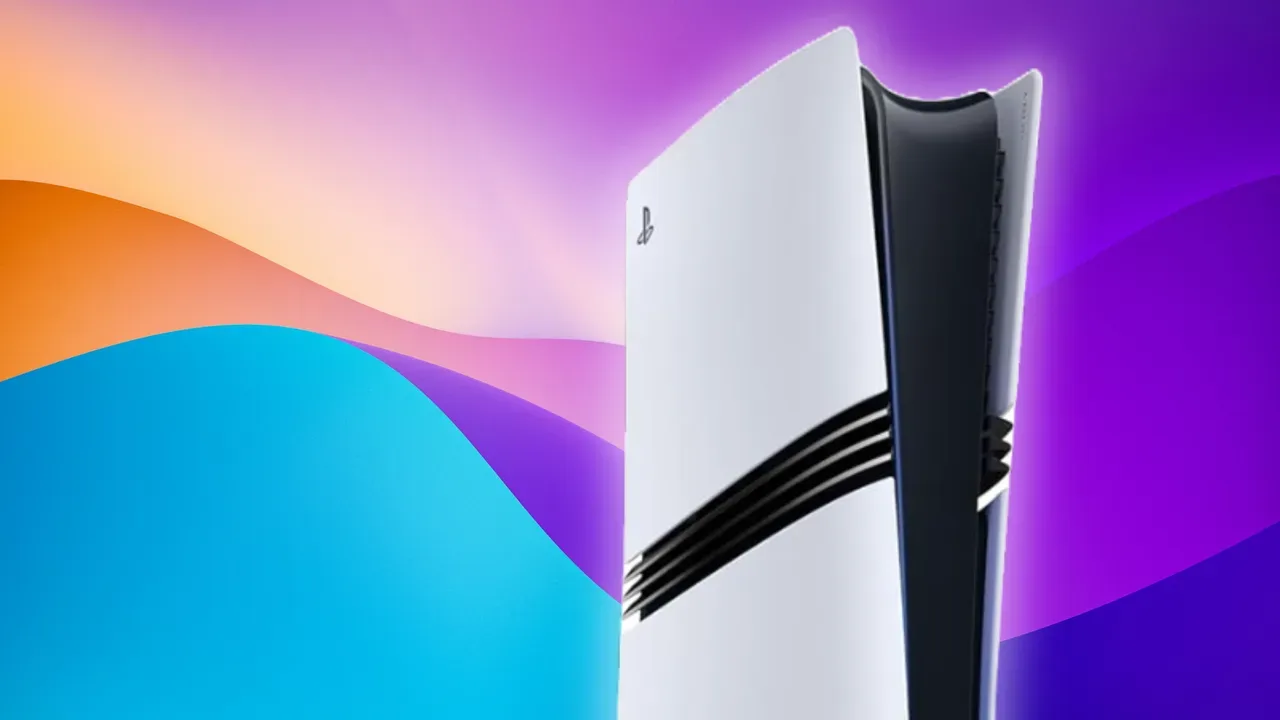
The announcement landed with a thud that echoed across forums and social media feeds: effective April 2, 2026, the entry price for a new PlayStation 5 will start at $600 for the Digital Edition. For the disc-drive model, gamers will now need $650, while the high-end PS5 Pro leaps to a staggering $900. This move, coming just months before the industry-defining launch of Grand Theft Auto VI, marks Sony's second price increase in under a year, following a $50 hike in August 2025. The company’s justification, delivered by VP of Global Marketing Isabelle Tomatis, cites "continued pressures in the global economic landscape," calling it "a necessary step." For a community already feeling the pinch of rising game and subscription costs, this unprecedented hike raises a fundamental question: is this a temporary economic adjustment, or the definitive signal that console gaming has permanently shifted into the realm of a premium luxury hobby?
The New Price of Play: Breaking Down Sony's 2026 Increases
Sony's new pricing structure represents a seismic shift from the console's launch just over five years prior. The breakdown is stark:
- PS5 (Disc Edition): $649.99 (a $100 increase from its post-2025 price of $549.99)
- PS5 Digital Edition: $599.99 (a $100 increase)
- PS5 Pro: $899.99 (a $150 increase)
- PlayStation Portal: $249.99 (a $50 increase)
This is not an isolated maneuver but part of a broader industry trend. Nintendo increased the price of the original Switch model in 2025, and Microsoft raised Xbox hardware prices in May of the same year. The collective movement suggests a strategic realignment. As Circana analyst Mat Piscatella observed, these increases reflect a market increasingly "targeting higher-income consumers," moving away from the mass-market, loss-leader hardware model that defined previous generations.
Between Consoles: The Tech Justification for a Premium Future
Amidst the pricing controversy, Sony's strategy appears twofold: enhance the value of its current premium hardware and aggressively telegraph a formidable technological future. This section examines what the company is offering—and planning—to justify its new pricing tier.
A major PS5 Pro system update on March 23, 2026, delivered an enhanced version of PlayStation Spectral Super Resolution (PSSR). This AI upscaling technology now boasts an improved algorithm and neural network for sharper image reconstruction and superior motion stability in supported titles. A growing roster of games, including Silent Hill 2, Monster Hunter Wilds, and Alan Wake 2, now support the upgraded PSSR, offering a tangible performance benefit for Pro owners.
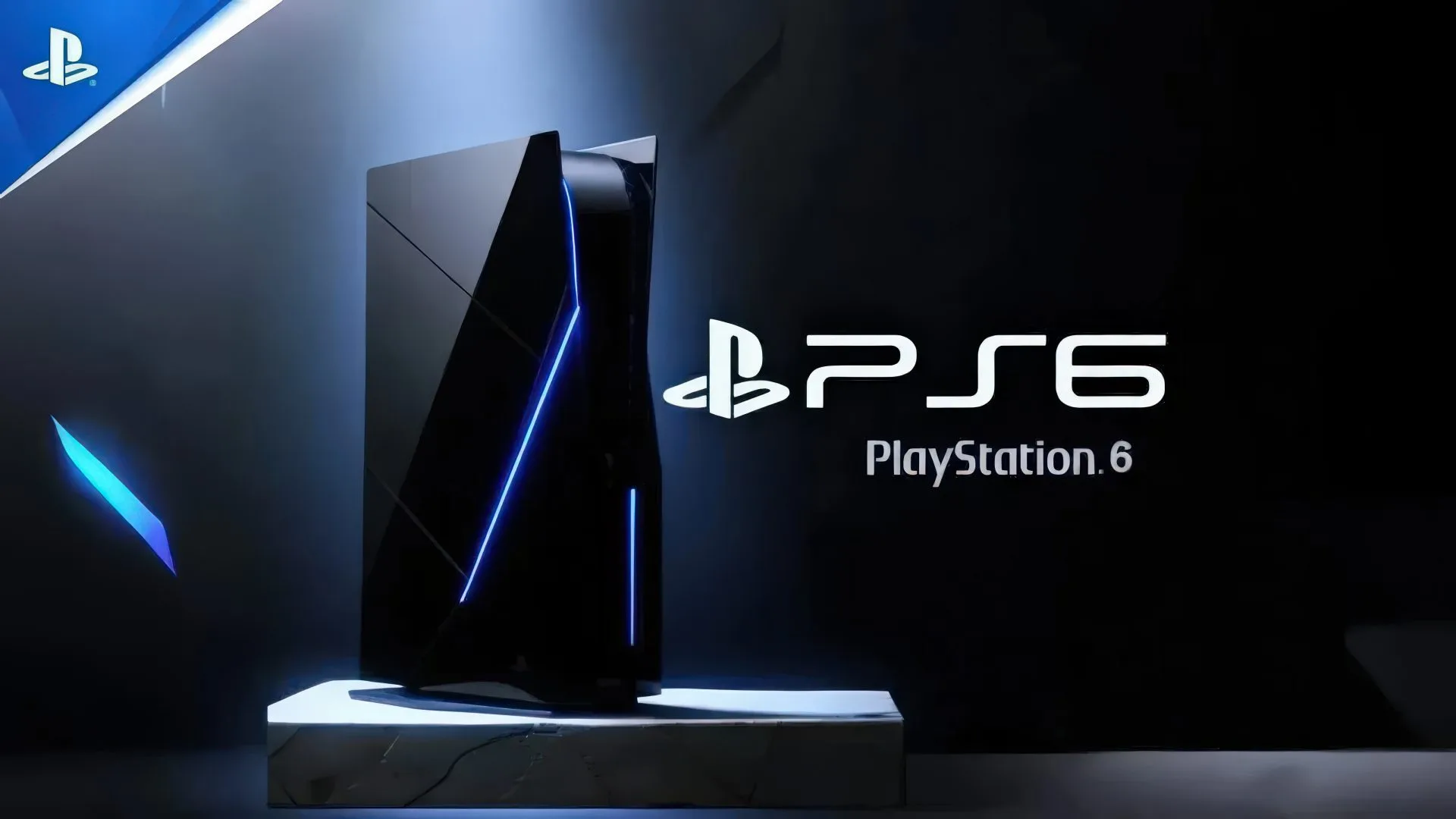
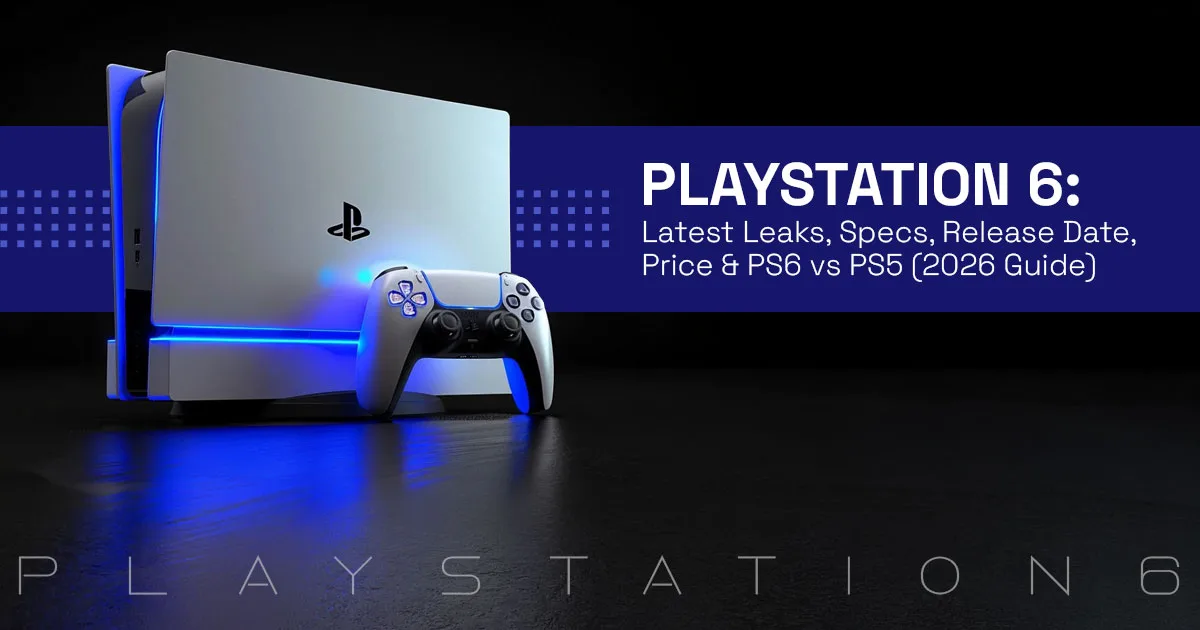
This refinement also serves as a bridge to the future: the PlayStation 6. Sony has confirmed AMD will return as the silicon partner, with the explicit goal of maintaining backward compatibility with the PS5 and PS5 Pro. While an official launch is expected between late 2027 and 2028, a flurry of rumors and confirmed tech initiatives paint a picture of a powerhouse. Leaked specifications, which should be considered speculative until officially confirmed, point to key components:
- A custom 8-core AMD Zen 6 CPU
- A formidable RDNA 5-based GPU estimated at 34–40 TFLOPs
- 30GB of cutting-edge GDDR7 memory
More telling are the technologies practically confirmed by System Architect Mark Cerny. The PS6 is being built around specialized hardware like "Neural Arrays" for advanced AI tasks and "Radiance Cores"—dedicated hardware for ray tracing, promising a 6-12x leap over PS5 capabilities. Furthermore, Sony's updated PS5 dev kits emphasizing "Low Power Mode" support, coupled with strong rumors of a "Project Canis" handheld device, suggest the company's vision extends beyond the traditional living room box, potentially creating a more integrated, portable ecosystem.
This ambitious technological pipeline underscores Sony's bet that groundbreaking features, not just games, will be needed to justify its new premium pricing tier.
The Perfect Storm: Economic Pressures and Strategic Timing
Sony's cited reasons for the price hike are multifaceted and not without merit. The global tech industry is grappling with an AI-driven memory shortage, geopolitical instability affecting supply chains, and impactful U.S. tariffs. These factors genuinely increase the bill of materials and logistics costs.
However, the timing of the increase is strategically conspicuous. It lands roughly eight months before the expected release of Grand Theft Auto VI, a title with a proven, generational power to drive console adoption. The strategic calculus appears clear: bank on the inelastic demand of blockbuster-seeking gamers to absorb the sticker shock. With over 65 million PS5 units sold as of late 2025, Sony may be betting that its substantial installed base provides enough pricing power and ecosystem lock-in to weather consumer frustration, effectively monetizing the audience most eager to play the biggest game of the decade.
The Ripple Effect: Consumer Impact and the Future of Console Gaming
The immediate impact is a heightened barrier to entry. The casual or first-time console buyer faces a significantly steeper climb, potentially segmenting the market further. The long-term consequences could reshape consumer behavior: a surge in the pre-owned market, extended console upgrade cycles beyond the traditional 6-7 years, and increased reliance on subscription services like Xbox Game Pass or PlayStation Plus Premium as a cost-effective alternative to new hardware investment.
This moment forces a critical examination of the foundational console business model. For decades, the strategy was to sell hardware at a loss—or very thin margins—and profit from software and services over the console's lifespan. Sony's move, echoed by its competitors, suggests this model is under severe strain, if not being phased out entirely. The central question for the industry's health is whether gaming can sustain itself as a growing, vibrant medium if its primary hardware is increasingly positioned as a luxury item. Will the value proposition be rescued by dramatic technological leaps, or does this mark a fundamental and precarious redefinition of who the console market is for?
Sony's $600 PS5 is more than a price tag; it is a nexus of global economics, technological ambition, and market strategy. Returning to the central question posed at the outset: is this a temporary adjustment or a permanent shift? While genuine economic pressures provide cover, the strategic timing and industry-wide trend suggest this "premium tier" is less a fleeting reaction and more a deliberate, permanent recalibration of the console business model. It is a gamble that near-term blockbuster demand and the gravitational pull of GTA VI will offset consumer resistance, all while funding the R&D for a neural- and ray-tracing-powered PS6 future.
The success of this gamble, and the answer to whether it represents a necessary step or a tipping point, hinges not on economics alone. It will be determined by whether the PS6's promised "Neural Arrays" and "Radiance Cores" can deliver wonder profound enough to make a $600+ entry fee feel like a compelling value proposition once more. The answer will define the playable world for the next generation.
Tags: PlayStation 5, PS5 Pro, Console Pricing, Gaming Industry, PS6 Rumors



Comments
Join the Conversation
Share your thoughts, ask questions, and connect with other community members.
No comments yet
Be the first to share your thoughts!