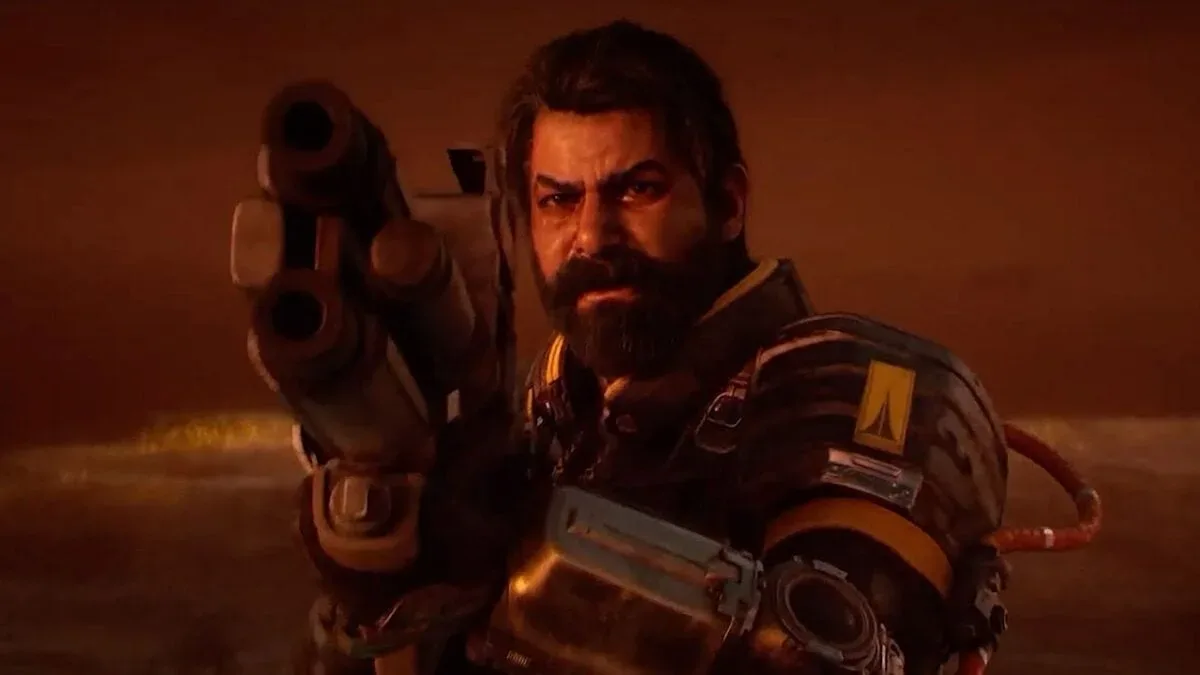
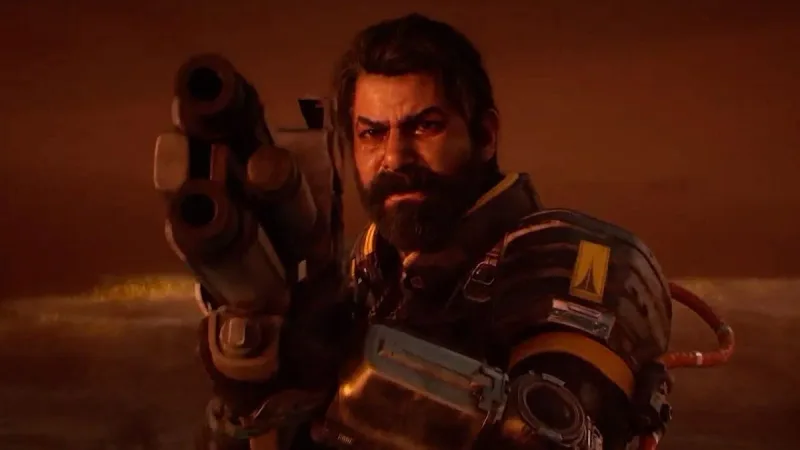
The announcement of Saros, Housemarque's spiritual successor to Returnal, was met with immediate excitement—until a single, pointed refusal from its director cast a shadow of doubt over its future on PC. This silence may signal a major strategic reversal for publisher Sony Interactive Entertainment. Revealed as a PlayStation 5 and PS5 Pro exclusive launching April 30, 2026, the sci-fi roguelike shooter immediately shot to the top of many wishlists. Yet, the conversation swiftly pivoted from anticipation to apprehension when the game’s director pointedly refused to discuss a PC version, a silence that echoes far beyond a single title.
The Saros Announcement and a Telling Silence
Saros represents a major commitment for Housemarque. Building on the frenetic, loop-based combat and haunting atmosphere of Returnal, it promises to be a cornerstone exclusive for the PlayStation 5 platform. The confirmed launch date gives players a clear target. However, the clarity ended there.
When asked by Game Informer about the potential for a PC port, Director Gregory Louden offered a notably specific deflection: "Today we’re only talking about Saros and the launch on the PlayStation 5." In an industry where non-answers like "we have nothing to announce at this time" are standard PR fare, Louden’s response stands out. It deliberately walls off the discussion, framing the PlayStation 5 not just as the initial platform, but potentially as the only platform for discussion. This wasn't a vague maybe; it was a directive to change the subject, a move veteran industry watchers recognize as often more telling than a simple "no comment."
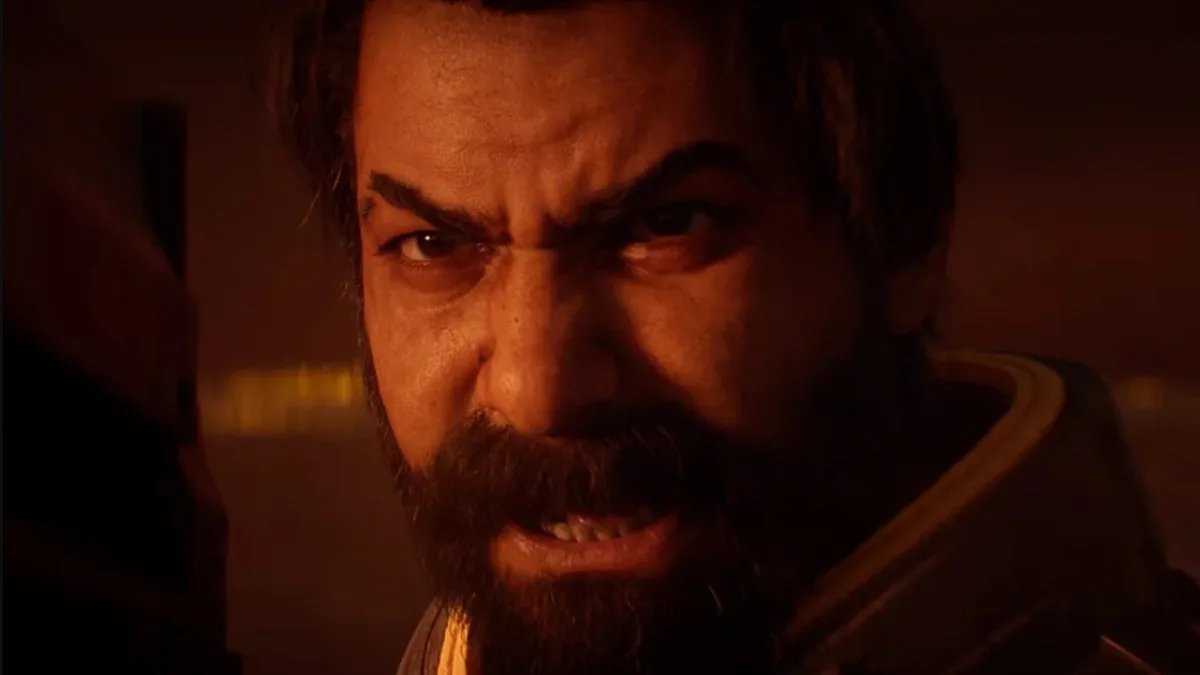
The Backdrop: Bloomberg's Report on Sony's PC Strategy Shift
To understand why this silence resonates, one must look at the critical context provided by a recent investigative report. In May 2024, Bloomberg’s Jason Schreier reported that Sony is halting plans for day-one PC ports of its major first-party, single-player titles. This would represent a significant reversal from the "console-first, PC later" model the company had been cultivating since Horizon Zero Dawn made the jump in 2020.
The report specifically named upcoming tentpole releases like Ghost of Yotei (the sequel to Ghost of Tsushima) and Marvel’s Wolverine as falling under this new, more restrictive policy. Saros, as a major single-player-focused title from Sony-owned Housemarque, now appears to be a prime candidate to be governed by this same reported rule.
Importantly, the report outlined key exceptions. Live-service and multiplayer-focused games, such as Bungie’s Marathon, are still expected to launch on PC to maximize their player bases. Furthermore, games that are merely published by PlayStation, like Death Stranding 2 from Kojima Productions, are not subject to the same restrictions. The reported policy shift appears laser-focused on Sony’s internally developed, narrative-driven blockbusters—the very games that have defined the PlayStation brand for a generation.
Why Would Sony Change Course? The Potential Reasons
This strategic pivot, if accurate, is not arbitrary. Industry analysis and Schreier’s report point to several compelling business motivations behind the potential pullback.
First and foremost is the issue of reported poor PC sales. While ports like God of War (2018) and Marvel’s Spider-Man were critical and commercial successes on Steam, other titles are estimated to have underperformed relative to Sony’s lofty financial expectations. The cost of porting these graphically intensive games may not have justified the return, leading to a recalculation of the PC initiative's value.
This ties directly into the second reason: a renewed focus on the console ecosystem. Exclusive, must-play single-player experiences are the primary driver for consumers to choose a PlayStation 5 over an Xbox Series X|S or a gaming PC. By reserving these titles for its hardware, Sony strengthens the core value proposition of its platform, incentivizing purchases of the PS5 and the upcoming PS5 Pro. In an era where platform loyalty is increasingly fluid, locking down these "system sellers" is a classic, if aggressive, tactic.
Finally, there is the looming competitive hardware threat. With Microsoft’s next-generation console rumored to potentially support rival storefronts, and devices like a revamped Steam Machine from Valve seeking a place in the living room, the walls around the traditional console garden are thinning. Sony may be preemptively battening down the hatches, ensuring that the definitive way to play its premier experiences remains firmly within its own controlled hardware environment.
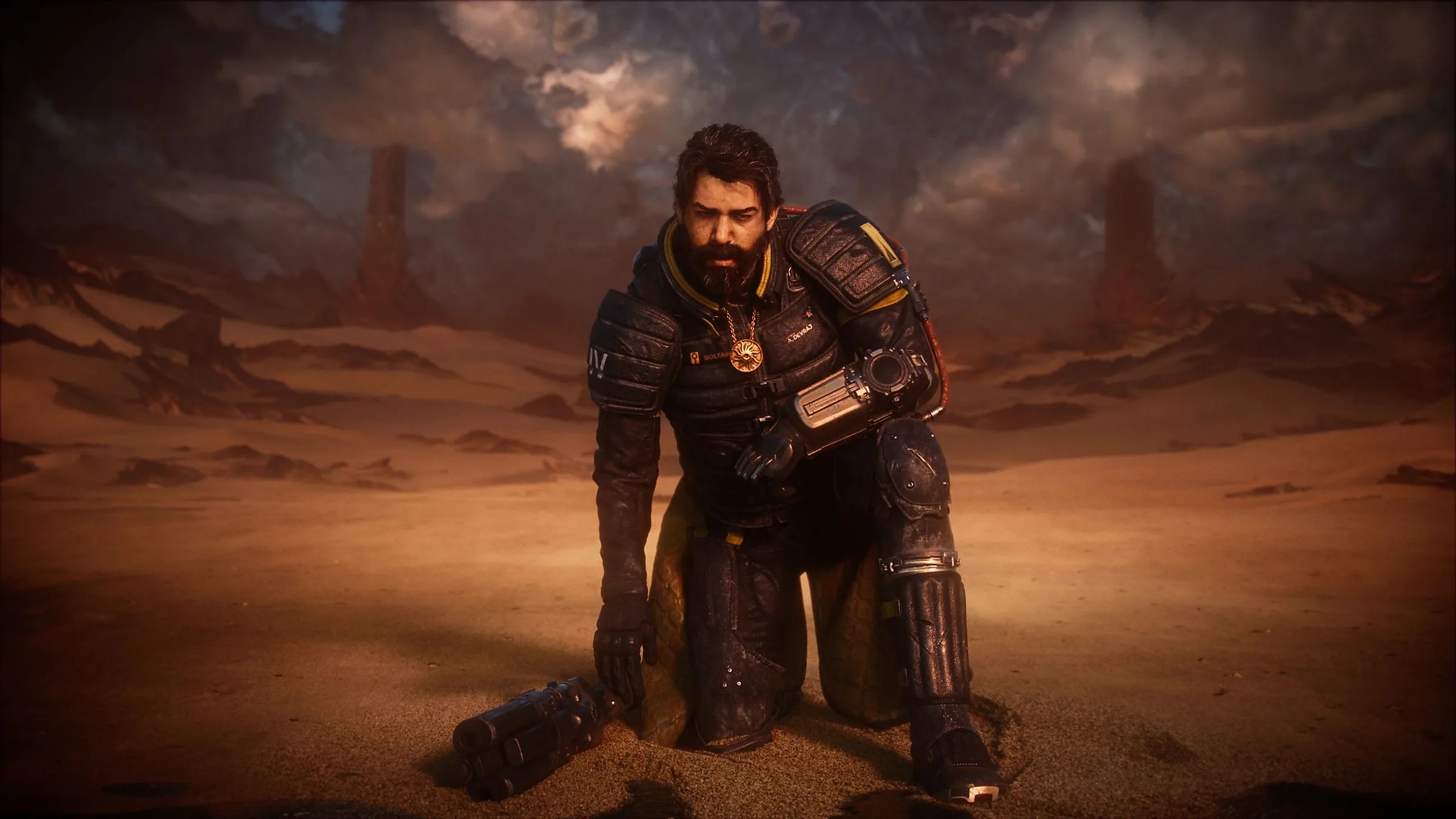
History vs. Future: The Returnal Precedent
This potential new direction directly contradicts the precedent Housemarque itself set. The studio’s previous title, Returnal, followed what had become a familiar Sony pattern: it launched as a PS5 exclusive in April 2021 and arrived on PC via Steam in February 2023—a gap of just under two years. Fans had naturally assumed Saros would follow a similar trajectory.
The new report and Louden’s pointed silence challenge that assumption head-on, suggesting the "console-first, PC later" model may be ending for Sony’s core single-player studios. This makes Louden’s background particularly noteworthy. Before joining Housemarque, he worked at Remedy Entertainment, a studio renowned for multi-platform development with titles like Control and Alan Wake. His experience with the realities and benefits of PC development makes his refusal to engage on the topic even more significant; it reads less like ignorance and more like adherence to a strict new corporate directive.
What This Means for Gamers
The implications of this reported strategic shift are profound and will be felt differently across the gaming community.
For PC Gamers, the outlook is one of potential disappointment and extended uncertainty. The wait for ports of Sony’s biggest narrative adventures—if they come at all—could grow from a predictable two-year window to an indefinite hold. The era of taking a "PlayStation exclusive" PC port for granted may be over.
For PlayStation Gamers, there is a clear potential upside. The argument for investing in a PS5 or PS5 Pro becomes significantly stronger if its library of exclusive, high-quality single-player games is more unique and protected. The value of the hardware is directly tied to the software it can play that nothing else can.
Ultimately, the situation breeds uncertainty. Sony has not officially confirmed the policy change detailed in the Bloomberg report, and corporate strategies can and do evolve. However, the confluence of a major journalist’s findings and a director’s carefully worded deflection creates a strong signal. We may be entering a more partitioned gaming landscape, where the platforms for experiencing top-tier stories are decided not by technical capability, but by corporate strategy.
Saros is poised to be one of the most intriguing games of 2026, but its journey appears intentionally confined to the PlayStation ecosystem for the foreseeable future. This moment transcends a single game’s release schedule; it reflects the ongoing recalibration of what a "PlayStation exclusive" means in a multiplatform world. As the lines between platforms blur, Sony's potential retreat behind console walls is a bold gamble, one that will define not just where we play Saros, but the very meaning of an exclusive in the years to come.
Tags: Saros, PlayStation 5, PC Gaming, Sony, Housemarque, Exclusive Games

Comments
Join the Conversation
Share your thoughts, ask questions, and connect with other community members.
No comments yet
Be the first to share your thoughts!