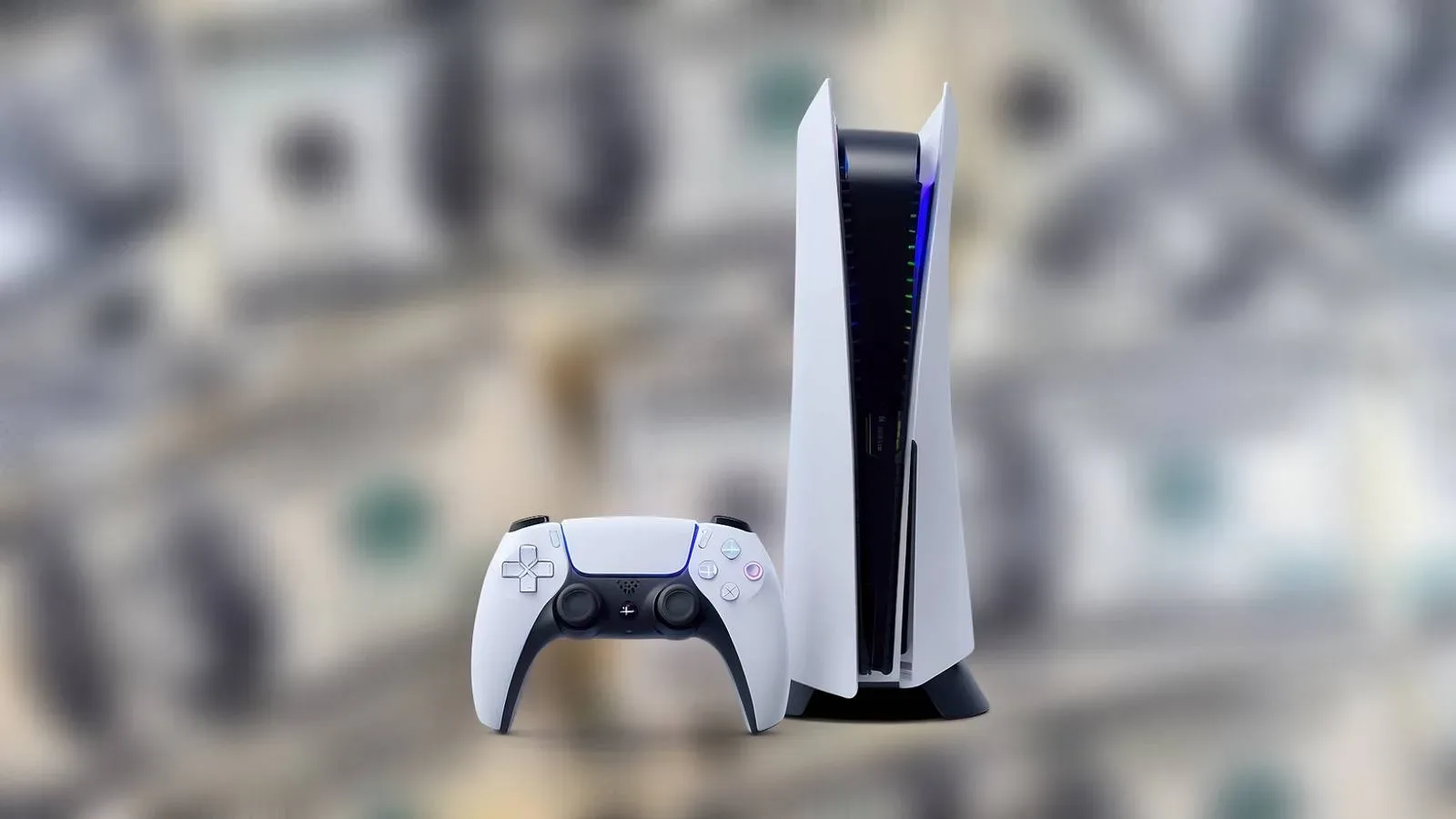
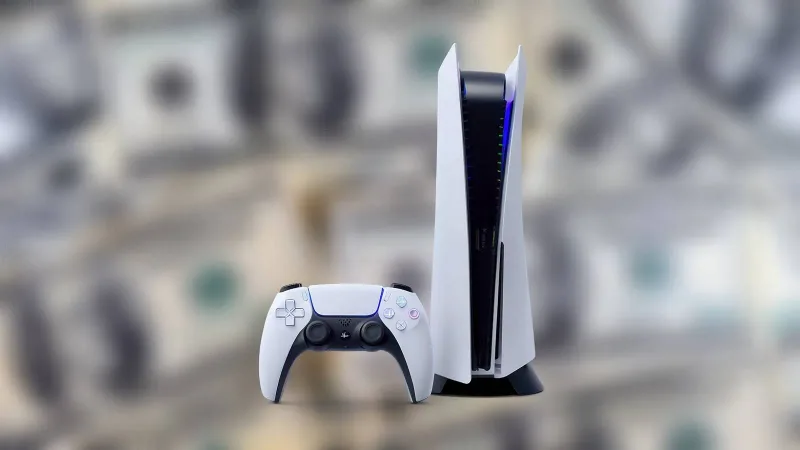
The rumor is now a stark reality. In a move that breaks from decades of industry tradition, Sony Interactive Entertainment has officially confirmed a global price increase for the PlayStation 5. Effective April 2, 2026, the cost of entry into the PlayStation ecosystem will rise significantly across all hardware models. This announcement, made via the PlayStation Blog on March 27, 2026, confirms a second consecutive price hike for the console in less than a year, following an increase in August 2025. For an industry accustomed to seeing console prices fall as technology matures, this represents a profound shift. The core questions for every gamer and industry observer are clear: Why is this happening so late in the console's lifecycle, what are the new financial barriers, and what does this signal for the future of console gaming?
The Official Announcement: Breaking Down the 2026 Price Hike
Sony’s confirmation was direct, leaving no room for speculation. The price adjustments are not limited to a single region or model; they represent a coordinated global strategy. The new U.S. Manufacturer's Suggested Retail Prices (MSRP), which take effect on April 2, 2026, are as follows:
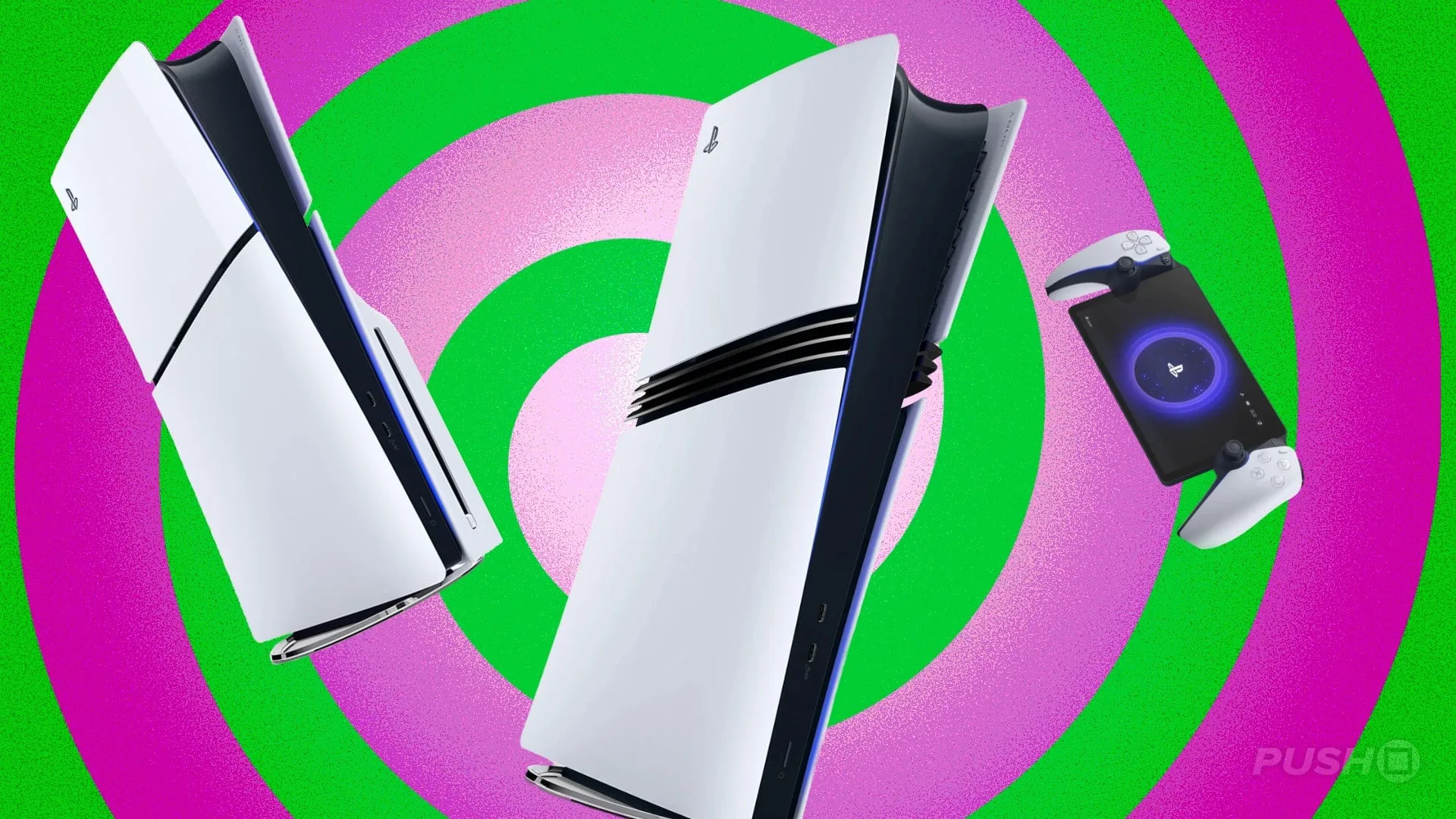
- PS5 (Standard Edition with Disc Drive): $649.99 (a $100 increase from $549.99)
- PS5 Digital Edition: $599.99 (a $100 increase from $499.99)
- PS5 Pro: $899.99 (a $150 increase from $749.99)
- PlayStation Portal Remote Player: $249.99 (a $50.99 increase from $199.00)
Sony has simultaneously confirmed similar increases in key markets including the United Kingdom, Europe, and Japan. The company advises consumers in all other regions to check with local retailers for updated pricing, solidifying this as a worldwide recalibration of the PS5's value.
Sony's Stated Reasons: Economic Pressures and AI Demand
In its announcement, Sony pointed to "continued pressures in the global economic landscape" as the driving force behind the decision. This corporate language translates to two concrete, industry-shaking factors.
First are ongoing tariff-related matters affecting imports into the United States, a persistent issue that adds a layer of cost to hardware manufactured overseas. The second, and more significant, reason is a battle for resources that few could have predicted at the PS5's launch: the explosive demand for components from the generative artificial intelligence sector.
Sony specifically cited the high demand and cost for RAM. The servers powering the AI boom are consuming memory components at an unprecedented rate, creating scarcity and driving up prices for everyone else, including consumer electronics giants. This frames a new reality where console manufacturers are no longer just competing with each other, but with the deep-pocketed AI industry for fundamental parts.
A Historic Reversal: Console Prices Are Going Up, Not Down
This announcement inverts one of the most reliable tenets of the console business model. Historically, manufacturing efficiencies, process node shrinks, and design revisions have allowed companies like Sony to reduce console prices over time, expanding the audience. The PS5's journey is charting a different course.
The upcoming April 2026 increase marks the second hike in under a year, following a ~$50 rise across models in August 2025. This establishes a concerning trend of consecutive price increases deep into a console generation. The market context underscores the shift: after this increase, the standard PS5 will retail at $649.99, finally matching the launch price of its direct competitor, the Xbox Series X. Furthermore, analyst reports suggest the anticipated Nintendo Switch 2, if it launches at a rumored $449.99, could also be subject to similar industry-wide pressures.
The Ripple Effect: What This Means for Gamers and the Industry
This break from tradition isn't just a historical footnote; it has immediate and tangible consequences for the gaming landscape. The most direct impact is clear: the barrier to entry for new PlayStation gamers will be higher in 2026 than it was at the console's launch in 2020. For those on the fence about upgrading to a PS5 Pro or purchasing a PlayStation Portal, the decision calculus has just become more expensive.
The ripple effects could extend further. A more expensive hardware base may influence consumer spending on software and subscriptions. Will gamers be more hesitant to buy full-priced titles or renew their PS Plus subscriptions after paying a premium for the box? This could incentivize a greater focus on game preservation and backward compatibility to enhance the perceived value of the ecosystem. The second-hand market for used PS5 consoles may also see a boost, as price-conscious consumers seek alternatives to new-in-box hardware.
On a macro level, this move forces a reevaluation of the console value proposition. If hardware prices rise while PC component costs stabilize or fall, the traditional advantage of consoles as a cheaper, simpler alternative erodes. The industry must ask: does this solidify a new norm of rising hardware costs late in a generation, and how will that affect consumer trust and upgrade cycles?
Looking Beyond the PS5: The PS6 Timeline and Future Pricing
These repeated price increases are intrinsically linked to the extended lifecycle of the PS5. By raising prices, Sony is likely aiming to improve profitability on the current generation, especially as the cost of components like RAM remains high. This extended profitability window aligns with analyst predictions cited in the research, which now suggest a PS6 release may not arrive until 2028 or 2029—significantly later than the 2027 rumors that circulated previously.
This timeline and pricing strategy set fascinating precedents for the next generation. The PS6's launch price could be higher than historical norms, reflecting a new, less subsidy-reliant hardware model. Alternatively, Sony might revert to a more aggressive, loss-leading price at launch to build a user base quickly, relying even more heavily on software and services for revenue. The current PS5 strategy provides a clear signal that Sony is willing to adjust hardware pricing in response to market forces throughout a console's life, a flexibility that will undoubtedly inform its approach to the PS6.
Sony's confirmation of a second PS5 price increase is a landmark moment in console business strategy. Driven by unique global economic pressures and a fierce battle for components with the AI industry, this move breaks the historical pattern of price reductions. It places a greater immediate financial burden on gamers, challenges the traditional console value proposition, and extends the PS5's commercial relevance further into the late 2020s. The success of Sony's strategy hinges on a single, enduring question for gamers: can the experiences on the box continue to justify the rising cost of the box itself? The answer will define the pricing playbook for the PS6 and beyond.





Comments
Join the Conversation
Share your thoughts, ask questions, and connect with other community members.
No comments yet
Be the first to share your thoughts!