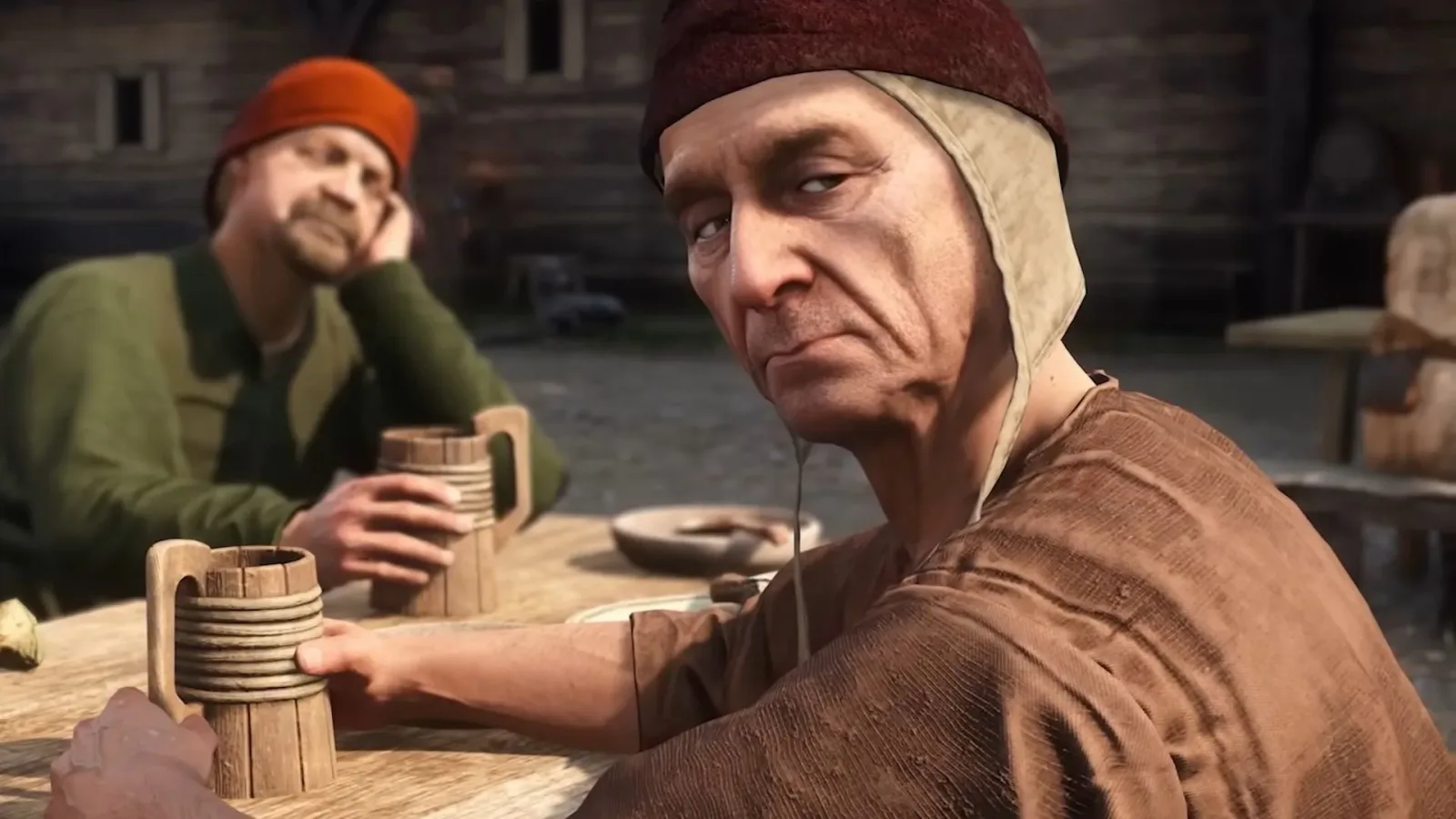
The Accusation: A Former Translator Speaks Out
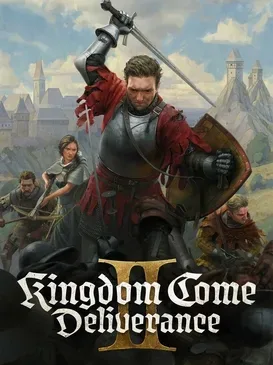
Hejtmanek's account is specific and personal. He alleges that his dismissal was not a routine restructuring but a deliberate move to replace his position with AI for "all translations going forward." For a studio that prides itself on historical authenticity and narrative depth—KCD2 is celebrated for its meticulously researched Bohemian setting and nuanced dialogue—the claim struck at the heart of its creative identity. Localization is a delicate craft: translating idioms, cultural references, and period-appropriate speech requires not just linguistic skill but a deep understanding of context. To outsource that to a machine, Hejtmanek implied, was to cheapen the very art the studio had been lauded for.
Warhorse's Response: "Internal HR Matters" and Hiring Plans
Warhorse's response, when it came, was carefully calibrated. Creative director Prokop Jirsa declined to directly refute Hejtmanek's claims, stating it would be "deeply unprofessional" to comment on any present or past employee, citing "internal HR matters." This non-denial left the accusation hanging, neither confirmed nor denied.
However, the official Warhorse Reddit account issued a broader statement: "We do not see AI as a substitute for human work." The studio added that "some team members find AI useful during early stages of production. However, we do not use AI-generated content in the final game and we have no plans to change this in the future." The statement also included a hiring pledge: the studio plans to hire the "same amount of human translators" as on KCD2 and is "currently in the process of hiring new translators. Yes, actual humans. Plural."
The tension is palpable. On one hand, the studio insists it values human talent and is actively hiring. On the other, the former translator's specific claim remains unaddressed. Can a studio both replace a human translator with AI and claim it does not see AI as a substitute for human work? The answer, critics argue, lies in the grey area between intent and action.
Fan Backlash and the Reddit AMA
The controversy did not fade. During a Reddit AMA on or around May 1, 2026, fans peppered the team with questions about the dismissal. The responses were boilerplate: "internal HR matters." For a community that values transparency, the evasion felt like a stone wall. One fan, frustrated by the lack of clarity, asked which team member "could most easily be replaced with AI." The team's answer was swift and unequivocal: "Hopefully none of us, and never. And that applies to the whole team."
The moment was both reassuring and ironic. The team's defiance of AI replacement was heartfelt, but it did nothing to address the specific accusation. The translator's story remained "hanging rather conspicuously in the air," as one observer put it. The skepticism is understandable: for a studio that won a BAFTA for narrative, a story about a human being replaced by a machine is the kind of narrative dissonance that fans do not easily forget.
The Bigger Picture: AI in Game Development
This controversy is not an isolated incident but a flashpoint in a larger industry debate. AI is increasingly used in game development for localization, QA, art, and even writing. The ethical questions are profound: Is it acceptable to replace a human role with AI if the final product does not use AI? What about the impact on team morale and public trust?
Warhorse's stated AI policy—useful in early production, not in the final game—is a common stance. Many studios use AI for prototyping, brainstorming, or asset generation, then refine everything by hand. But Hejtmanek's claim suggests a different scenario: a direct replacement of a human role with AI for ongoing work. If true, it blurs the line between tool and substitute.
Localization for a game like KCD2 presents unique challenges. Translating Czech idioms and medieval Bohemian slang into English requires a translator who understands both the historical context and the game's narrative tone. A machine might capture the literal meaning, but it cannot replicate the cultural nuance that makes dialogue feel authentic. This is why human translators remain essential—and why Hejtmanek's accusation cuts so deep.
What's Next for Warhorse Studios?
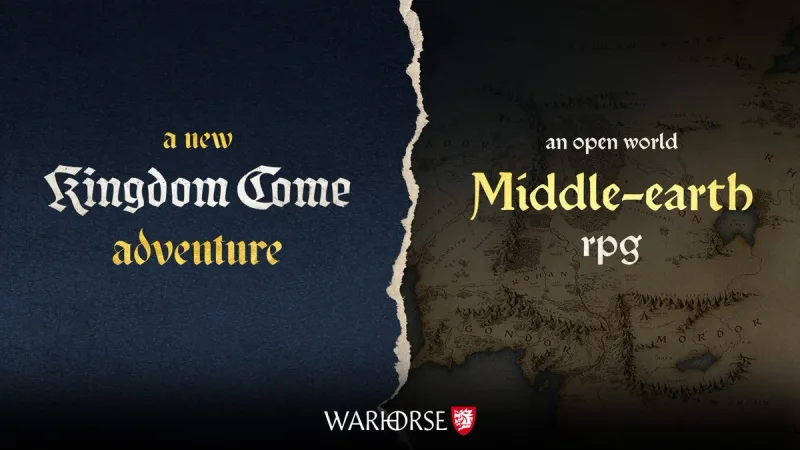
Amid the controversy, Warhorse is looking forward. Content director Ondřej Bittner teased the next project as "a huge immersive RPG," with a reveal expected in the "near future." The studio was vague about rumors of a Lord of the Rings game, neither confirming nor denying. The team's creative ambition remains undimmed.
Yet the shadow of the translator's accusation lingers. How will this affect the studio's ability to hire top talent? Will fans trust their commitment to human creativity? The irony is sharp: a studio that won a BAFTA for narrative is now mired in a narrative about its own internal decisions. The story it tells about itself—talent-driven, human-first—is at odds with the story a former employee tells about his own experience.
The controversy remains unresolved. The accusation is specific; the response is evasive. The hiring promise is sincere, but it does not erase the question of whether a human was replaced by AI. For the gaming community, the case is a microcosm of a larger anxiety: as AI capabilities grow, will the industry that celebrates human artistry also quietly phase out the humans who create it?
Warhorse's next project—and its hiring decisions—will be the real test. For now, the industry watches to see whether a BAFTA-winning studio can reconcile its human-first rhetoric with the cost-saving lure of AI. The clock is ticking, and the question remains: Can a studio that says it values humans truly avoid the AI replacement trap, or is this just the beginning of a longer, more uncomfortable conversation?


Comments
Join the Conversation
Share your thoughts, ask questions, and connect with other community members.
No comments yet
Be the first to share your thoughts!