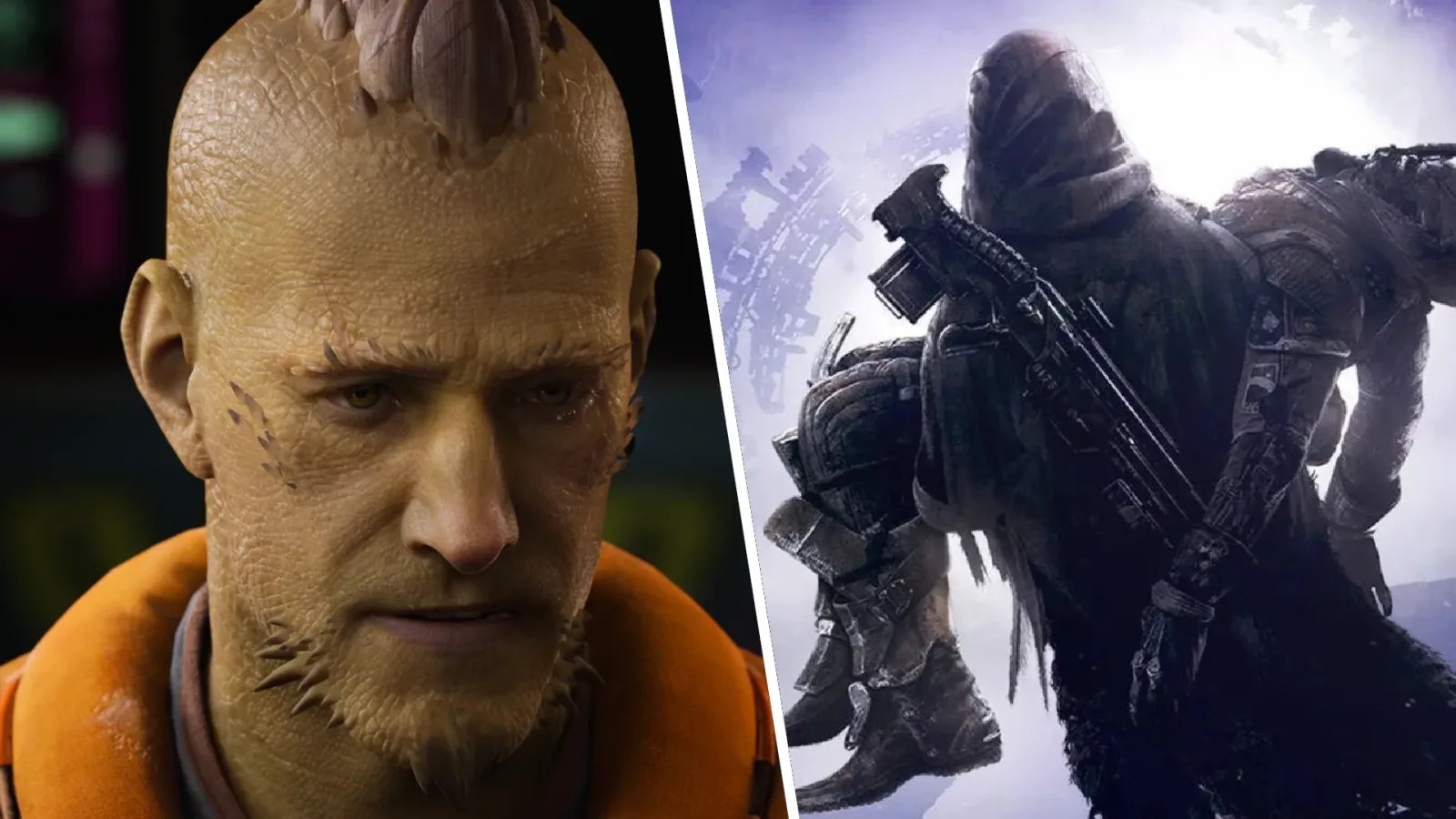
Sony spent $3.6 billion to learn how to make live-service games. It has eight cancelled projects, a $400 million failure, and a CEO who insists the strategy is working. The company that built its reputation on cinematic single-player masterpieces, The Last of Us, God of War, Spider-Man, Horizon, has spent three years chasing the persistent, monetized online experiences that fuel Fortnite and Genshin Impact. The results have been catastrophic. Of twelve promised live-service titles, only two have launched; one succeeded, one failed historically, and eight never saw the light of day. The $3.6 billion acquisition of Bungie ended with the effective death of Destiny 2 and mass layoffs. Yet in June 2026, Sony Interactive Entertainment CEO Hideaki Nishino told the press the company will “bravely” continue pursuing live-service games. This is the story of a gaming giant unwilling to abandon a losing bet.
The Body Count: A Catalogue of Catastrophes
The scale of Sony’s live-service failure is difficult to overstate. Under former CEO Jim Ryan, the company pledged 12 live-service titles by fiscal year 2025. Only two materialized: Helldivers 2 and Concord. One was a runaway hit; the other was a historic disaster.
Helldivers 2, developed by third-party Arrowhead Game Studios, became a genuine phenomenon. Concord launched in August 2024, sold an estimated 25,000 copies on Steam, and was delisted within two weeks. Developer Firewalk Studios was shuttered in October 2024, with the project’s total cost reported at $400 million, a write-down Sony has never officially denied.
The list of cancelled projects reads like a graveyard of ambition:
| Project | Developer | Fate |
|---|---|---|
| The Last of Us Online | Naughty Dog | Scrapped after years of development |
| Untitled God of War live-service | Bluepoint Games | Cancelled; studio closed in early 2025 |
| Twisted Metal | Unannounced internal team | Never passed prototyping |
| Spider-Man: The Great Web | Insomniac Games | Killed before announcement |
| Untitled co-op fantasy game | London Studio | Cancelled; studio shut down |
| Untitled live-service project | Bend Studio | Cancelled; studio survived |
| Concord | Firewalk Studios | $400M failure; studio closed |
| Untitled project | Third-party partner | Unannounced and cancelled |
Total: eight cancelled, one successful, one catastrophic, and two still in development.
“Bravely” Charging Forward: The CEO’s Pledge
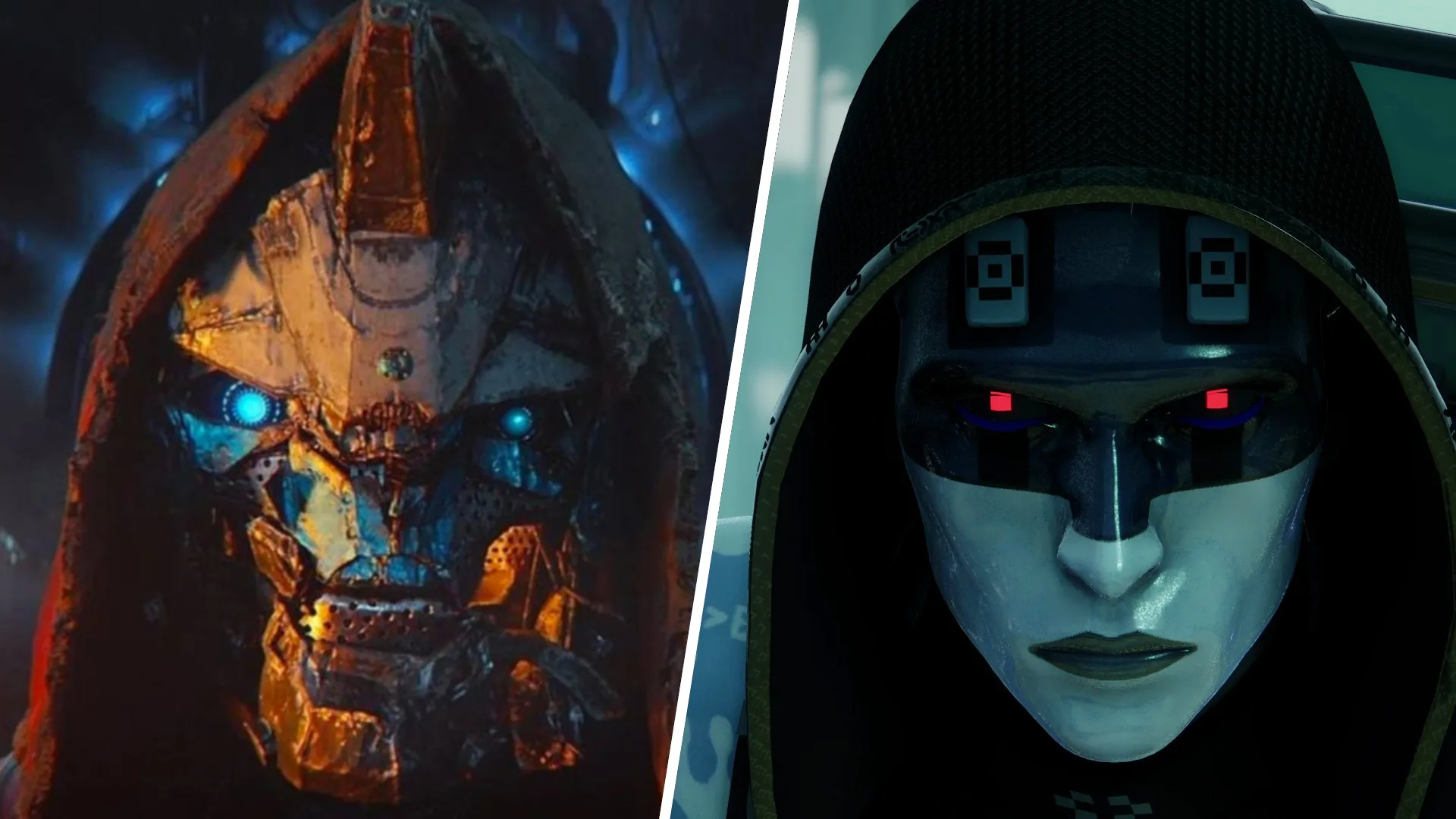
In June 2026, Nishino was asked directly whether Sony had reconsidered its live-service strategy after so many failures. His answer was a defiant no. Citing live-service as a “relatively new” genre for the company, Nishino stated that Sony will “continue to take on challenges” and that live-service content is vital for “attracting users on a global level.” He called for the company to “revitalize the market” with its upcoming games.
This is not bravery. It is sunk-cost fallacy dressed in corporate rhetoric. Nishino’s predecessor envisioned a 12-game pipeline. By 2026, that has been reduced to four, Marathon, Fairgame$, Horizon Hunters Gathering, and Marvel Tokon: Fighting Souls, and only Helldivers 2 has proven the model works. Sony’s own CFO, Lin Tao, admitted as much in September 2025, saying the pivot was “not entirely going smoothly” and that the company must “learn lessons from mistakes.” PlayStation Studios boss Hermen Hulst, in a 2025 interview with the Financial Times, argued that “the number is not so important” and that he wanted Sony to “fail early and cheaply.” The evidence suggests Sony failed spectacularly, and expensively. The only constant has been a seemingly unshakable belief that the next live-service game will be the one that sticks.
The Bungie Autopsy: A $3.6 Billion Acquisition That Ended in Ashes
The most painful chapter of Sony’s live-service story is the acquisition and subsequent dismantling of Bungie. In 2022, Sony paid $3.6 billion for the studio behind Destiny 2, betting that its expertise in live-service operations would anchor Sony’s entire strategy. Bungie was meant to be the centerpiece, the internal consulting firm that would teach other PlayStation studios how to build and maintain online worlds.
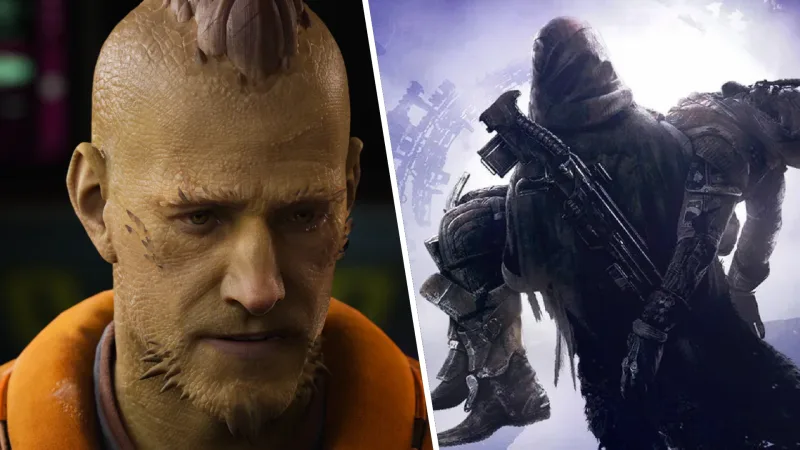
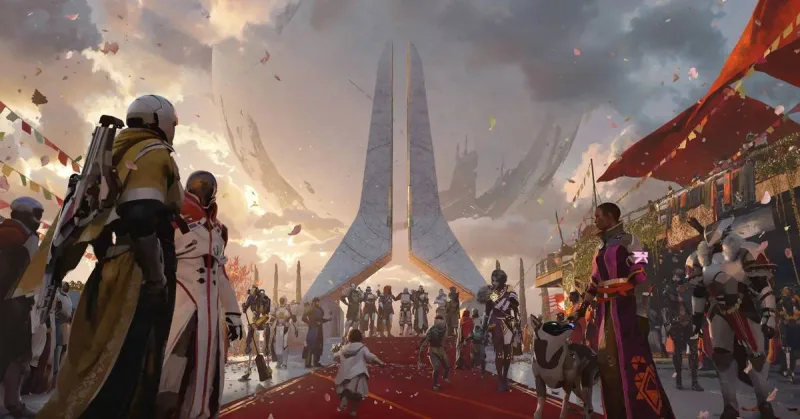
Instead, Bungie became the centerpiece of the collapse. After a string of disappointing Destiny 2 expansions and internal turmoil, Sony effectively pulled the trigger in June 2026. At least 292 employees were laid off, a number that, per a WARN notice filed in Washington state, represented “most of the Destiny team and some Marathon team members.” Destiny 2 received its final live-service content update on June 9, 2026, titled “Monument of Triumph.” Bungie admitted the game “fell short of expectations.” Studio head Justin Truman stepped down, replaced by Poria Torken. The workforce, which had already shrunk from approximately 1,300 to around 800, was cut further. One senior designer who had worked on Destiny 2 for seven years posted simply, “I don’t know what I’ll do next. This is all I’ve known.” The post was later deleted.
Some observers speculated that Sony was motivated by a desire for revenge against Bungie for its failures. That narrative has been widely debunked. The reality is colder and simpler: Sony spent billions on a long-term live-service engine, and when that engine stalled, leadership made the brutal business decision to scrap it and reassign remaining resources to the one project still considered viable, Marathon.
What’s Left: The Remaining Live-Service Bets
Four live-service games are still in active development at Sony. Marathon, Bungie’s extraction shooter, has seen its team reduced but remains on the table. Fairgame$, a team-based heist game from Haven Studios (founded by former Assassin’s Creed producer Jade Raymond), has been repeatedly delayed and struggled to find a clear identity. Horizon Hunters Gathering is a cooperative spin-off of the Horizon franchise that has generated little public enthusiasm. And Marvel Tokon: Fighting Souls, a fighting game set in a new Marvel universe, is slated for an August 6, 2026 launch.
The list raises uncomfortable questions. Marathon enters a crowded extraction shooter market dominated



Comments
Join the Conversation
Share your thoughts, ask questions, and connect with other community members.
No comments yet
Be the first to share your thoughts!