The Elbaf Revelation: Rewriting Pirate History
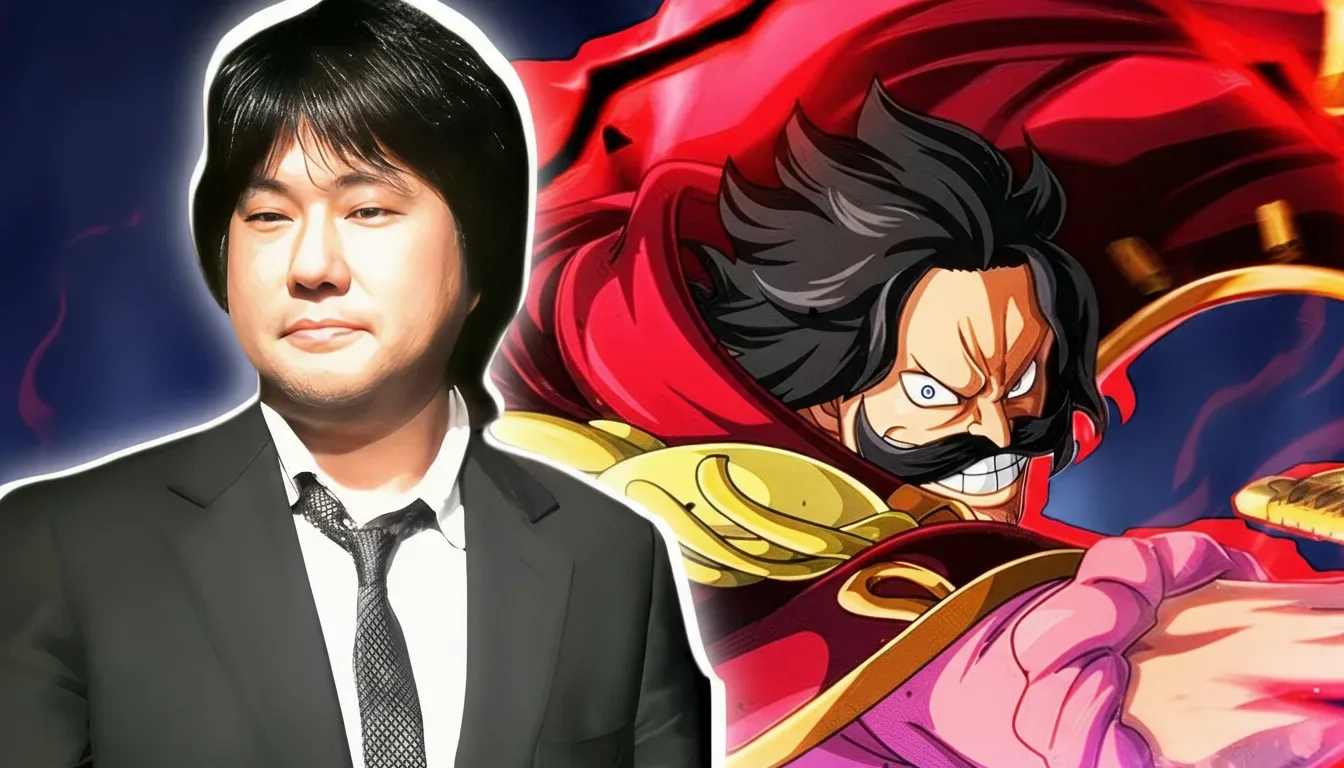
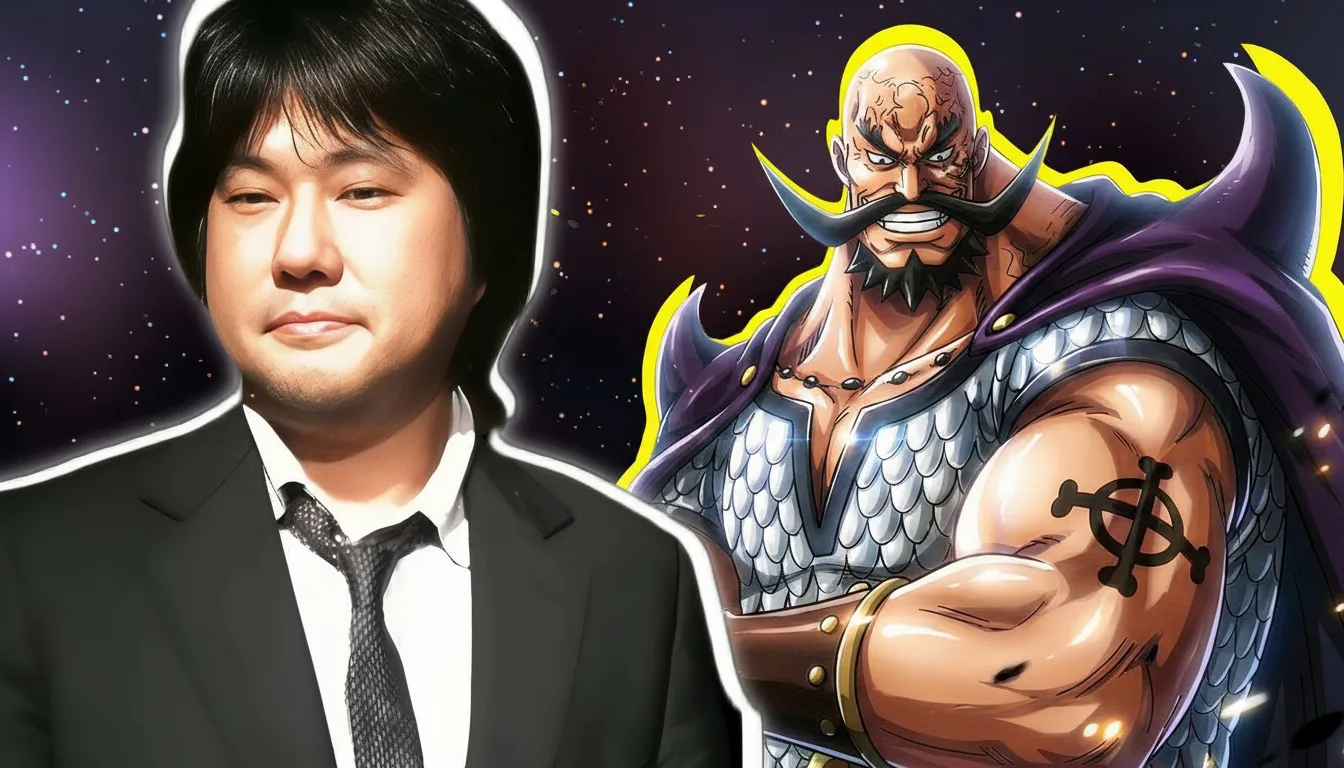
The Elbaf Arc has served as a monumental history lesson, clarifying a power hierarchy that predates Roger's era. The lore establishes that Roger's great rival, Rocks D. Xebec, was stronger than a pre-prime Roger. This hierarchy deepens with the introduction of Elbaf's King Harald, who was initially an equal to Rocks. Harald’s power, however, escalated dramatically after he entered a "Deep Sea Contract" with the mysterious sovereign Imu, gaining immortality and enhanced strength, thus surpassing the already formidable Rocks.
The apex of this ancient era was Harald's son, Loki. The narrative confirms that Loki defeated his now-immortal, empowered father, with statements attributing to him a terrifying "world-destroying power." This solidifies Loki as a top-tier entity from a bygone age. The critical, game-changing narrative beat is this: Red-Haired Shanks defeated this Loki in a one-on-one battle six years prior to the current story. This isn't merely implied through hype or reputation; it is presented as a stated historical fact within the world's lore, a direct feat that anchors Shanks's position in any contemporary power discussion.
Connecting the Dots: Shanks vs. The Pirate King
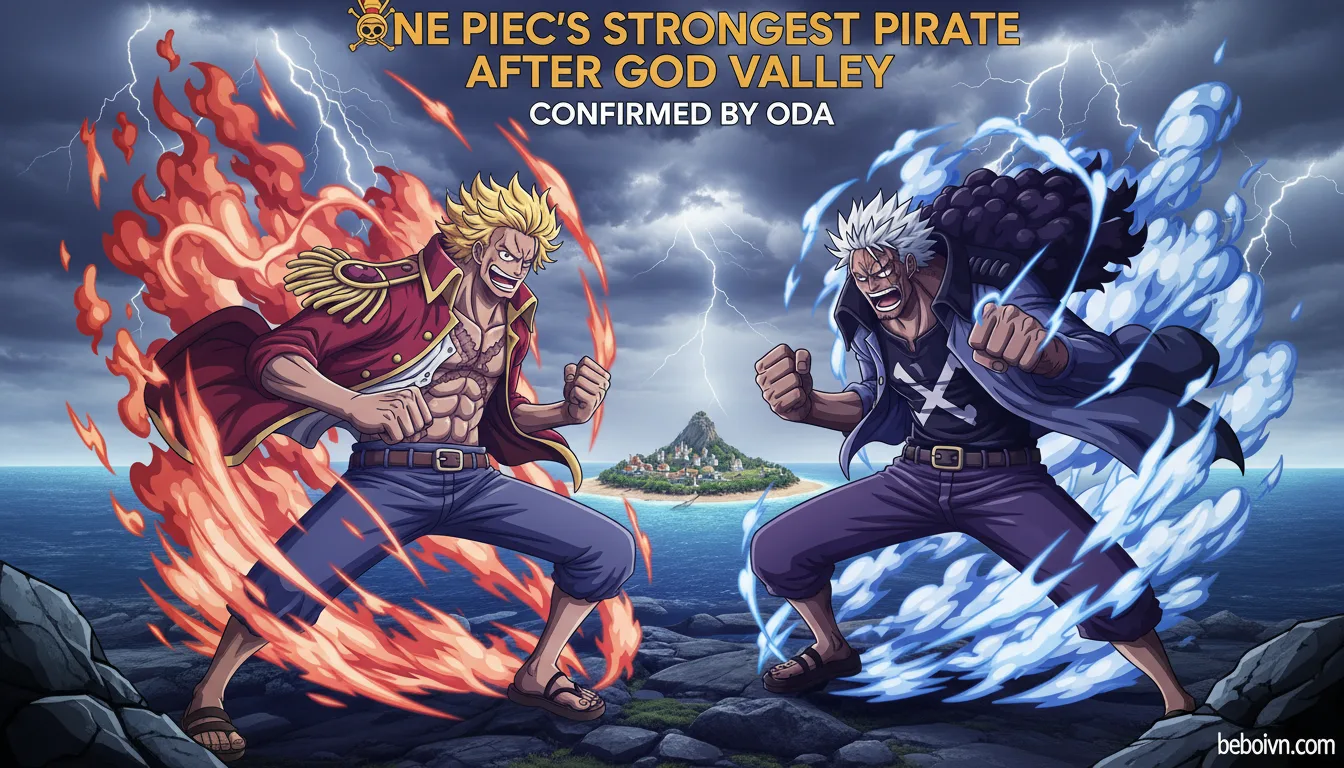
By applying the transitive property of power logically presented in Elbaf, a compelling hierarchy emerges: Shanks > Loki > (Empowered) Harald > Rocks > (pre-prime) Roger. This isn't merely about statistical scaling; it's about narrative weight. Shanks, a former apprentice on Roger's own ship, now potentially represents the evolution of that legacy rather than its shadow.
The contrast with Roger's most famous battle is stark. Thirty-eight years ago, at the God Valley Incident, an empowered Rocks D. Xebec was defeated only by the combined forces of Gol D. Roger and Marine hero Monkey D. Garp. Fast-forward to six years ago: Shanks alone triumphed over Loki, a being established as superior to that version of Rocks. While Roger undoubtedly grew significantly stronger after God Valley, reaching his peak as the Pirate King, the narrative placement of Shanks's feat is designed to suggest he operates on a level at or above that ultimate benchmark. Oda appears to be establishing a new, active pinnacle for the current era.
Of course, this interpretation requires accepting several premises: that Loki was at full power during his confrontation with Shanks, that the victory was unequivocal, and that Roger's own prime, achieved after decades of adventure, doesn't somehow exceed this historical scaling. Some fans reasonably maintain that the "Pirate King" title represents an untouchable zenith. However, Oda's recent narrative focus seems intent on challenging that very idea to heighten the dramatic stakes for Luffy's generation.
Narrative Implications: Why This Matters for the Final Saga
This potential recalibration of power has profound implications for the series' climax. First, it recontextualizes the race for the One Piece. It’s no longer just about reaching the endpoint Roger did; it’s about surpassing the era he defined, a theme embodied by Luffy, who seeks to become a freer pirate than Roger. Shanks, positioned as a living top-tier potentially above the old king, stands as a more immediate and tangible representation of the summit Luffy must overcome.
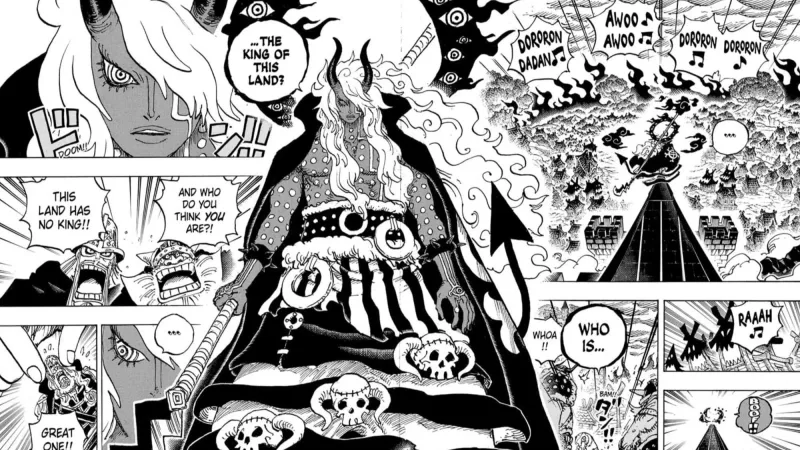
Second, it deeply intertwines with the series' central mysteries. The recent introduction of "Covenants" in Chapter 1168—marks bestowed by Imu that grant power and bear a striking resemblance to Jolly Rogers—suggests a dark, historical link between the World Government's ultimate power and piracy itself. The "Deep Sea Contract" used by Harald appears to be a precursor to these Covenants. This implies that the pinnacle of power in the ancient One Piece world, from Rocks to Harald, may have been influenced or augmented by Imu's system. This context makes Shanks's victory over a beneficiary of this system (Loki) without such a contract critically significant. It positions his pure, unconverted Haki-centric strength as historically exceptional—a true surpassing of an old era defined by external power bestowal.
Finally, this reshuffling affects every major player. For Blackbeard, who seeks to usurp everything, Shanks is now a confirmed ultimate prize. For the Marines and the Revolutionary Army, the potential presence of a pirate rivaling or exceeding the legendary Roger necessitates a complete reassessment of their strategic calculations for the looming final war.
Oda's Masterstroke: Long-Term Storytelling and Fan Perception
This development is a testament to Oda's decades-long planning. Shanks has been shrouded in mystery and prestige since Chapter 1, his strength hinted at through feats like ending the Marineford War with his presence and clashing evenly with the world's strongest swordsman, Mihawk. The Elbaf revelation is the payoff for that patient buildup, transforming Shanks from a revered figure into the defined apex of the current age.
Unsurprisingly, the community reaction has been divided. While many accept the narrative evidence Oda has laid out, a segment of the fandom maintains the "Roger = Peak" perspective. This divide highlights Oda's narrative ambition. By strongly suggesting a living, active character as the new benchmark, he creates a dynamic world where history can be surpassed. It serves a crucial purpose: ensuring that the final challenges Luffy faces are framed as greater than those conquered by the previous generation, raising the dramatic stakes exponentially.
The compelling case for Shanks's supremacy is far more than a victory in a fan power-level debate. It is essential narrative groundwork for One Piece's endgame. Oda is meticulously constructing a world where the final saga's threats eclipse those of the past, making Luffy's journey to become the Pirate King a truly unprecedented conquest. This move makes the world feel alive, dynamic, and unpredictable. As we sail toward the climax, every move Shanks makes, and every step Luffy takes, is now charged with the immense weight of a legacy not just to reach, but to definitively surpass. The pinnacle has shifted, and the race to the top has never been more compelling.

Comments
Join the Conversation
Share your thoughts, ask questions, and connect with other community members.
No comments yet
Be the first to share your thoughts!