The Award and the Axe, A Two-Month Timeline of Contradiction
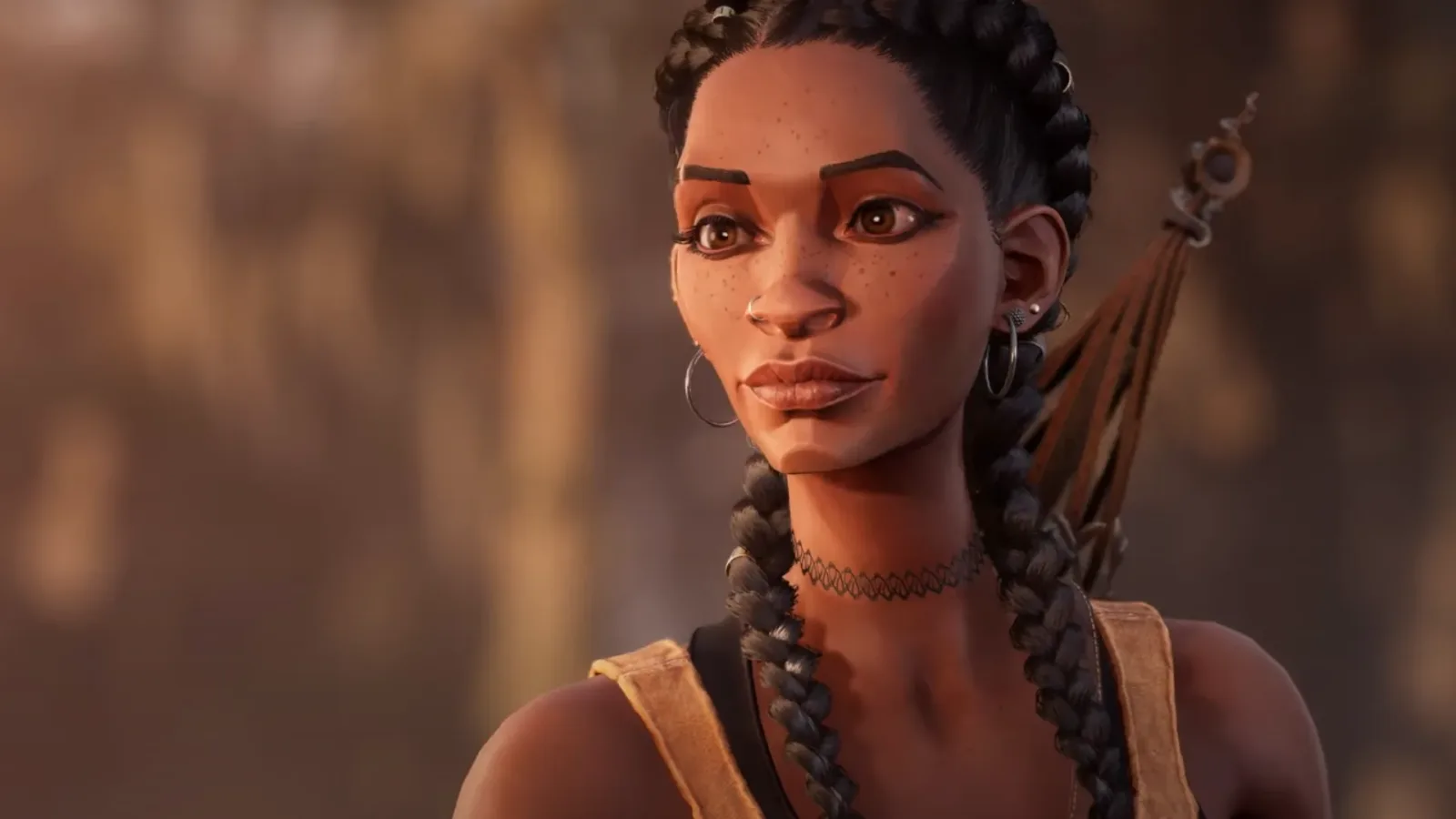
On April 22, 2026, Xbox leadership celebrated Compulsion Games' Peabody Award win, a rare honor for a video game and one usually reserved for television and journalism. Xbox CCO Matt Booty had previously held up the studio as a validation of Xbox's storytelling ambitions, praising the team for pushing creative boundaries. Sharma's public congratulations framed South of Midnight as a flagship example of what Xbox Game Studios could achieve.
Fast-forward to June 15. Kotaku reported that Xbox had drawn up plans to close Compulsion Games (as confirmed by Bloomberg's separate reporting), with studio leadership now in active negotiations to spin off as an independent entity rather than face outright closure. Bloomberg independently confirmed the report, adding that multiple Xbox studios, including Double Fine, were also in similar negotiations.
The contradiction is stark. South of Midnight launched in April 2025 to strong critical reviews and won both The Game Awards' Games for Impact award and a Peabody. Yet the game reportedly struggled to find a large commercial audience. Despite glowing recognition from critics and industry bodies, the financial reality proved unforgiving. Approximately 90 to 100 employees at the Montreal studio now face an uncertain future, their award-winning work seemingly insufficient to guarantee their place within Microsoft.
A 'Reset' on Shaky Ground, Why Xbox Is Cutting Again
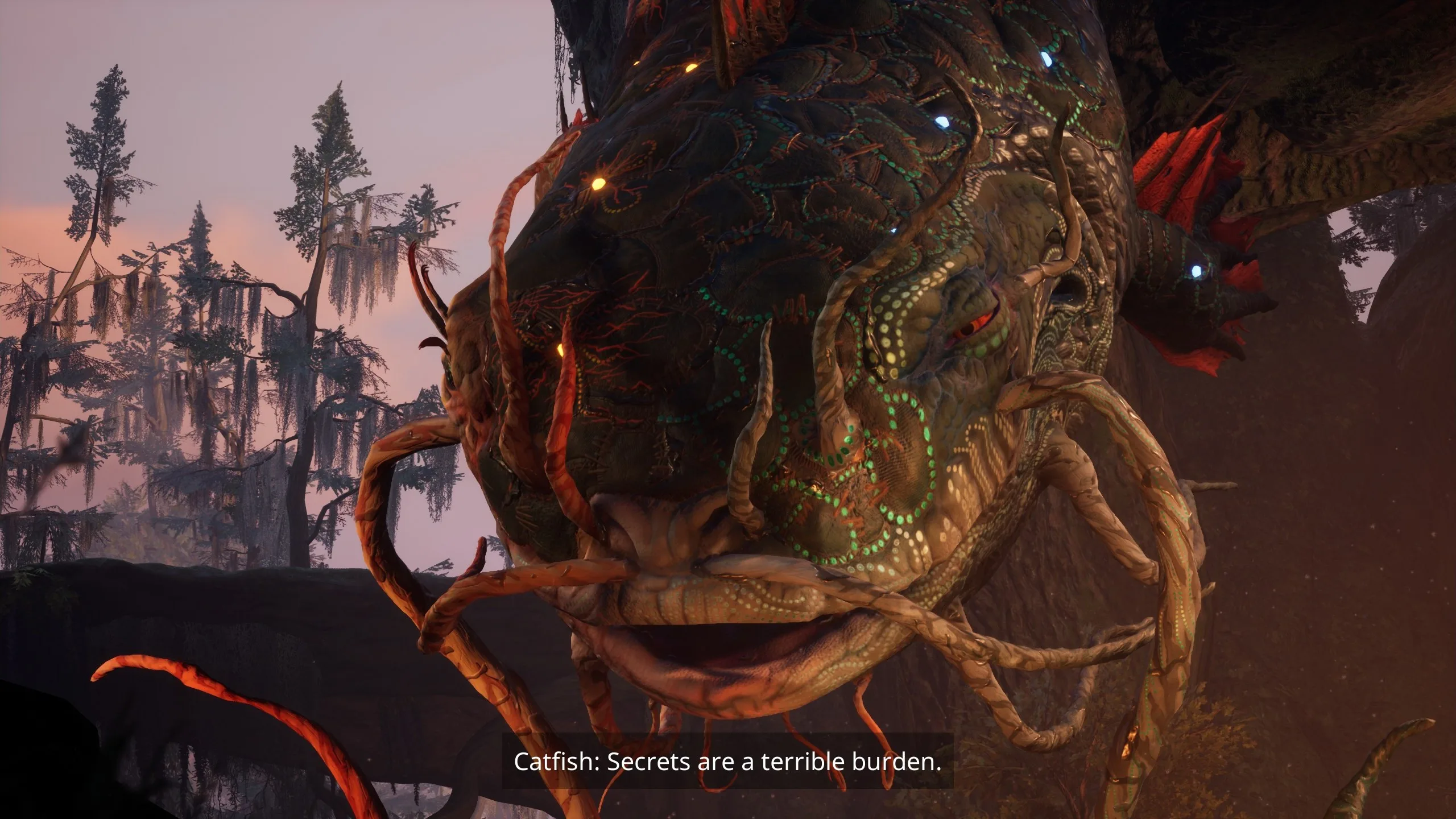
This closure plan does not exist in a vacuum. Asha Sharma took over from Phil Spencer in late 2025 and inherited a division facing headwinds. Internal memos published in the days before the Compulsion report warned of a "reset," citing a reported $500 million revenue drop and declining Game Pass subscriber numbers. The new CEO signaled that major changes were coming.
The same-day resignations of Craig Duncan, who had been in the role of Head of Xbox Game Studios for less than two years, and Chief of Staff Louise O'Connor suggest deeper unrest in the leadership ranks. Their departures, combined with the closure plans, paint a picture of an organization struggling to right the ship.
Bloomberg has reported that more cuts are expected, with mass layoffs anticipated in July 2026. The Compulsion closure appears to be only the first domino, with other studios like Double Fine reportedly in negotiations to avoid a similar fate. For a division that has spent years marketing itself as a haven for creative talent, the message is unmistakable: artistic acclaim alone cannot secure a studio's future.
One Game, Then the Door, Microsoft's Post-Acquisition Record
If the Compulsion closure proceeds, it will be the third high-profile studio Microsoft has shuttered after praise and promotion. Arkane Austin was closed in May 2024 following the troubled launch of Redfall. Tango Gameworks met the same fate later that year, though it was later rescued by Krafton. Compulsion would be the latest addition to a growing list.
Microsoft acquired Compulsion Games in 2018 alongside Ninja Theory, Playground Games, and Undead Labs. In the eight years since, the studio has released only one game under Microsoft ownership: South of Midnight. While the game was critically successful, the pattern raises questions about the level of support and patience Microsoft offers acquired studios.
The contrast between leadership rhetoric and action is stark. Matt Booty had explicitly held up Compulsion as an example of Xbox's creative ambitions, yet here the studio sits on the chopping block. For developers watching this cycle repeat, it reinforces a painful lesson: a single commercial underwhelming can outweigh years of critical recognition and goodwill.
Negotiate or Die, The Fight for Compulsion's Survival
Not all is lost yet. Reports indicate that Compulsion's leadership is actively negotiating with Microsoft to go independent, a spin-off that would allow the studio to survive outside the Xbox umbrella. The precedent exists: Tango Gameworks was closed in 2024 but later acquired by Krafton, continuing operations and even working on new projects.
The employee count, estimated at 90 to 100, hangs in the balance. Just two months before the closure report, Compulsion was actively hiring for a new unannounced IP, a sign that the team believed it had a future. A shutdown would scrap years of creative development and disrupt the lives of dozens of developers.
The outcome remains uncertain. Microsoft has not officially confirmed or denied the reports, and the negotiations could still lead to a different result. But the fact that such a scenario is even being discussed speaks volumes about the current state of Xbox's studio strategy.
Award-Winning Work, Discarded, The Uneasy Lesson for Game Developers
Eleven weeks, that is how long separated public praise and private closure plans. The whiplash from celebration to potential shutdown encapsulates a fundamental tension at Xbox: a new CEO trying to cut costs while simultaneously championing award-winning developers. Compulsion Games, a Peabody-winning studio with critically acclaimed work, becomes the latest casualty in Microsoft's cycle of acquisition and abandonment.
Whether the studio can negotiate a spin-off or survives as part of Xbox remains uncertain. But one thing is clear: even prestige and awards are no shield against the bottom line. The future of Compulsion Games now rests on a negotiation. For many, that is already the most damning verdict of all.


Comments
Join the Conversation
Share your thoughts, ask questions, and connect with other community members.
No comments yet
Be the first to share your thoughts!