The Numbers That Tell the Real Story
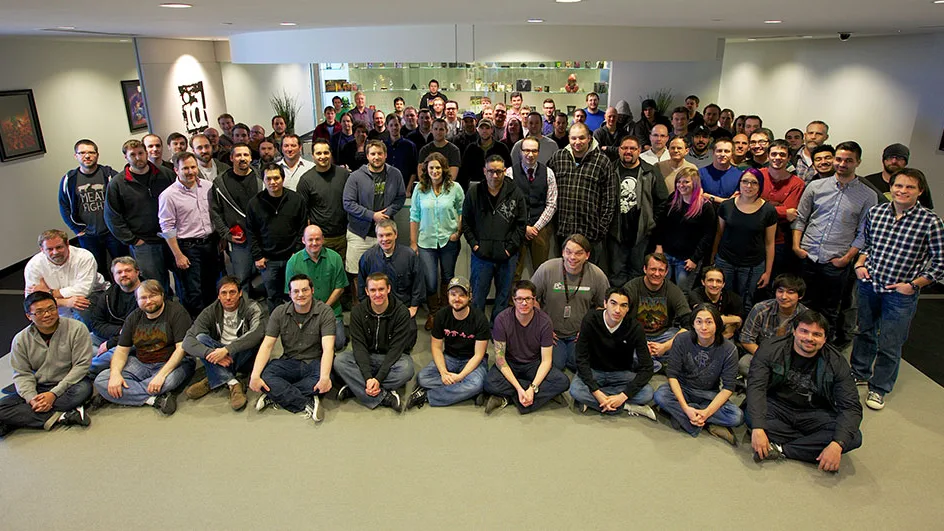
The official Texas WARN notice confirms that 136 of approximately 185 id Software employees were laid off in July 2026. That is 73.5 percent of the workforce - far more than the early reports suggesting roughly half. The scale of the cuts was immediate and devastating.
The id Tech engine team was hit hardest. Laid-off developers describe the engine squad as decimated and say they cannot imagine a path forward where the studio makes another game on id Tech. One former VFX artist speculated that a move to Unreal Engine may now be inevitable. These were the people who built the technology behind Doom (2016), Doom Eternal, and Doom: The Dark Ages - the same engine that powers Bethesda titles across Xbox's portfolio.
Management, however, offered a different narrative. In a public statement, id Software said it is back to the size it was when it made 2016's Doom and still has the crew it needs to build the games and tech it is known for. That comparison is selective and misleading. The 2016-era id team may have been numerically similar, but it was a team filled with years of institutional knowledge, veteran engineers, and the collective memory of two decades of engine evolution. The current iteration has lost much of that deep expertise in a single day.
The Contradiction in Corporate Speak
Microsoft and id management insist that a new Doom game is in early development, that id Tech continues with dozens of staff, and that the studio has not been reduced to a support role. Creative director Hugo Martin explicitly said claims that the studio was nerfed into the ground are untrue.
But former employees see a starkly different reality. The knowledge vacuum left by those departures makes even routine engine maintenance a long-term gamble, let alone breakthrough innovation. The cuts hit the teams that develop id Tech hard, with decades of expertise wiped out overnight, according to reporting that has since been corroborated by multiple sources. Even with dozens of staff remaining, the loss of senior personnel creates a gap that cannot be quickly bridged.
The official WARN notice and developer testimony paint a picture that contradicts the corporate reassurance. Both sides may carry partial truth: the studio may survive as a Doom production house, but its ability to push engine boundaries or sustain multiple projects is in serious doubt.
The Human and Industry Reaction
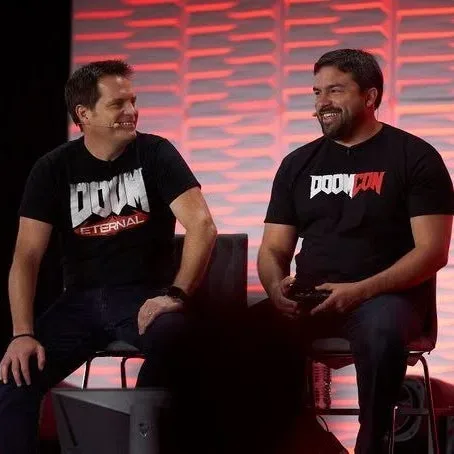
The reaction from id Software's founders has been raw and public. John Carmack, the legendary engine architect, admitted that his 2021 statement that Microsoft will probably be a good steward of the brand is not aging well. John Romero, co-creator of Doom, expressed grief and noted that his own studio had lost its Microsoft publishing deal in 2025. The sense of betrayal among the original creators underscores how far the studio has fallen from its independent roots.
The layoffs also represent a major labor rights flashpoint. id Software formed a wall-to-wall union with the Communications Workers of America (CWA) in December 2025 - a rare achievement in the games industry. Of the 158 Texas workers laid off (id Software plus Bethesda Austin), 146 were union members. The CWA has pledged legal action, arguing that the cuts violated bargaining obligations. Workers have organized protests outside Microsoft's Texas offices, chanting that they will not quietly disappear.
One id Software producer summed up the mood in a striking post: Worker-owned studios are the only path forward. That is a radical conclusion from someone who just lived through the corporate system from the inside.

The Broader Xbox Cost-Cutting Context
The id Software cuts are not an isolated incident. They are part of Microsoft's fifth round of gaming layoffs since the Activision Blizzard acquisition, with 3,200 Xbox jobs cut in July 2026 alone. Xbox revenue was down 9 percent entering 2026, and Microsoft also spun off four studios - including a high-profile team that had been working on a new IP. In this climate, a 73.5% cut at a historically profitable studio is not an outlier, it's a signal of how Microsoft now values all its internal studios as disposable assets.
Microsoft acquired ZeniMax Media, the parent company of Bethesda and id Software, for $7.5 billion in 2021. The deal was sold as a promise of creative freedom and stability. We will honor the legacy of these studios and give them the resources to continue to build great games, Microsoft said at the time. The current reality suggests the opposite. The company is retreating from ambitious internal development, cutting costs across the board, and treating its most iconic studios as brands to be managed rather than creative communities to be nurtured.
The Real Cost of Efficiency
The madness at id Software is not random. It is a deliberate equation that treats a studio's brand value as more important than its people or its technology. Microsoft may preserve Doom as a franchise - a new game is reportedly in early development, and the name still carries enormous commercial weight. But a studio that once defined PC gaming, that gave the world the first-person shooter, has been reduced to a skeleton crew making a sequel on a wounded engine.
The question is not whether the next Doom will sell. It almost certainly will. The question is whether that game will be made by id Software in any meaningful sense, or simply marketed under the name. The real cost of efficiency is intangible: the magic that turned a handful of programmers in a Texas office into legends cannot be replicated in a spreadsheet.



Comments
Join the Conversation
Share your thoughts, ask questions, and connect with other community members.
No comments yet
Be the first to share your thoughts!