Valve's Problem: A Direct Hit from the Component Crisis
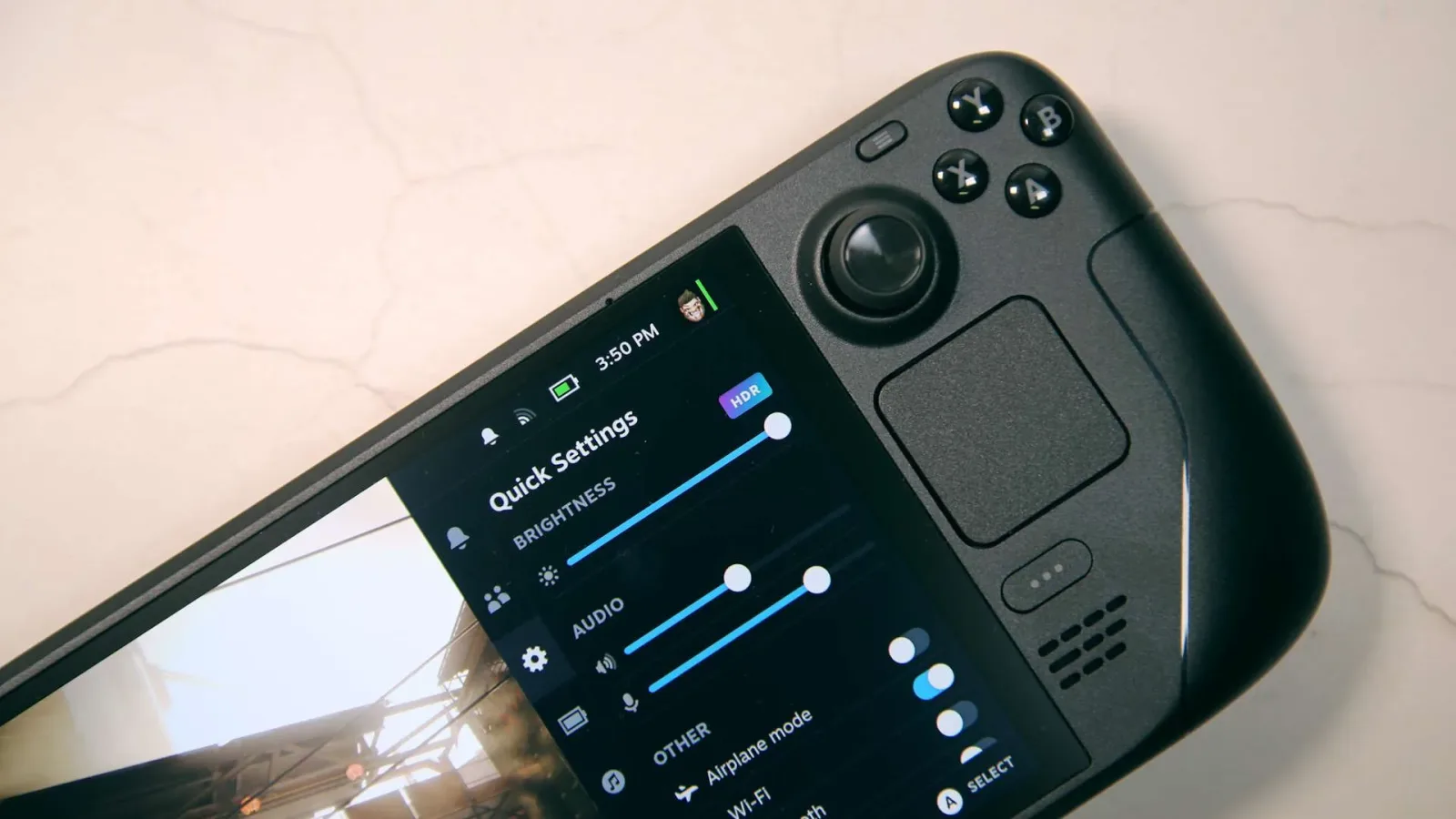
Valve’s confirmation cuts through the speculation: the intermittent out-of-stock status of the Steam Deck OLED in key markets is a direct result of constrained memory and storage supply. This isn't a simple logistics hiccup; it's a manifestation of a "global memory and storage component crisis," as Valve described it. The primary driver is the colossal demand from AI companies, which are consuming vast quantities of the high-performance RAM and fast NAND flash storage that are also essential for modern gaming devices.
The situation creates a stark geographic divide and has been amplified by a strategic product shift. As of the latest reports, while Steam Deck OLED models remain available for purchase in regions like the UK and Australia, they are consistently sold out in the United States. This scarcity intensified following Valve's official discontinuation of the LCD model, making the OLED variant the sole flagship handheld and concentrating all demand on an already strained supply chain.
The impact is immediate and personal for consumers, but the crisis has triggered a more profound, strategic response from Valve. The company has announced a significant delay in finalizing key details for its next-generation hardware, postponing the announcement of final pricing and firm release dates for two highly anticipated products: the Steam Machine (a compact, living room-focused mini-PC) and the Steam Frame (a standalone VR headset).
The reason is unequivocally linked to the same component shortage, with Valve citing "limited availability and growing prices" for memory and storage. This strategic pause underscores the severity of the issue; even a company of Valve's stature cannot lock in costs or guarantee production timelines amidst such market volatility. However, there is a silver lining for eager fans. Despite the delay in specifics, Valve reaffirmed that both the Steam Machine and Steam Frame are still on track for a release window in the first half of 2026.
An Industry-Wide Challenge, Not an Isolated Incident
Valve's struggles are not occurring in a vacuum. The memory and storage crisis is creating strategic headaches across the entire console manufacturing landscape, indicating the scale of the "larger problem."
Analysts and industry reports suggest that Sony is actively considering a substantial delay for its next-generation PlayStation console, with some speculation pointing to a launch as late as 2029. Similarly, Nintendo may be forced to increase the price of its upcoming Switch 2 successor to offset rising component costs. On a different strategic front, Microsoft's Xbox division is reportedly delving deeper into the development of its own first-party handheld device, seeking to capture the growing portable PC gaming market amid these constraints.
The industry's response is also driving innovation in software solutions. Valve is integrating AMD's FidelityFX Super Resolution 4 (FSR4) into its platform, a move that will help extend the performance of existing and future hardware through advanced upscaling, partially mitigating the need for ever-more-expensive raw silicon.

How Valve is Adapting: Designing for the Future
While we wait for firm dates and price tags, Valve has shared substantial technical details that paint a promising picture of its 2026 hardware lineup—a lineup clearly designed with flexibility and longevity in mind to navigate volatile markets.
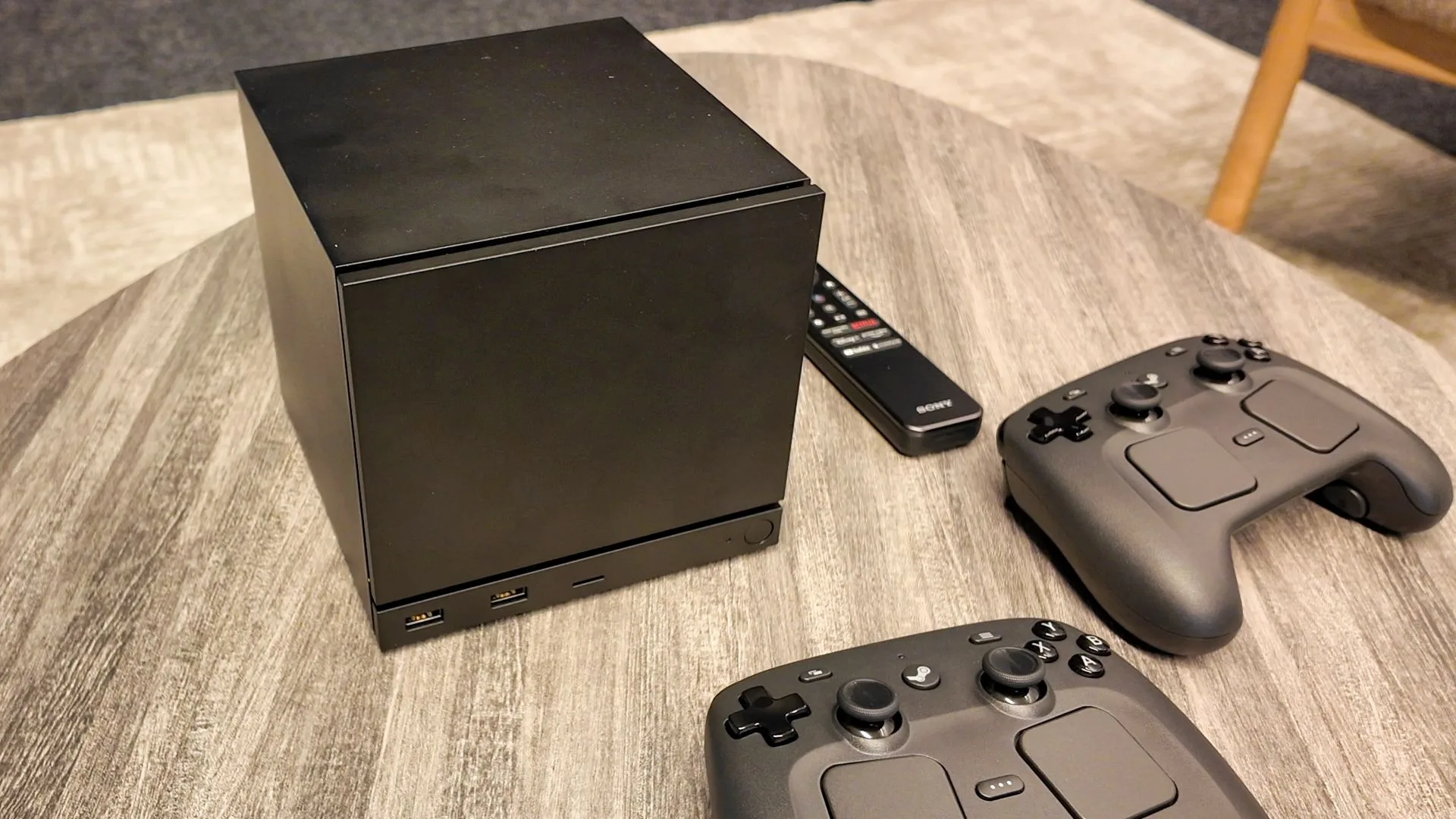
Steam Machine Details
Positioned as a true living room PC, the Steam Machine aims for high-fidelity gaming without the tower. Valve's internal testing suggests that the "majority of Steam titles play great at 4K 60 fps with FSR on Steam Machine." The company is transparent about the need for upscaling, noting that some titles "require more upscaling than others" and will provide alternative performance settings.
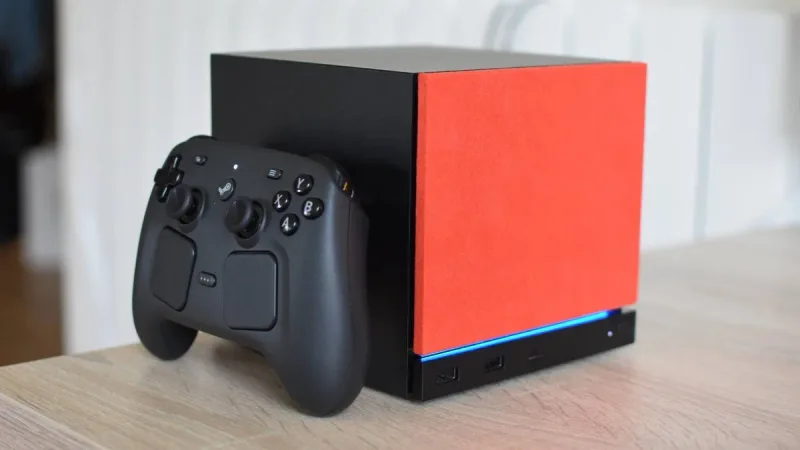
Perhaps most compelling for the PC gaming community is its design philosophy. In a direct response to component scarcity and consumer desire for longevity, Valve has confirmed that both the SSD and memory in the Steam Machine will be user-upgradable. Furthermore, in a nod to customization culture, Valve plans to share CAD files and specifications for the device's faceplates, enabling a wave of third-party and community-created designs.
Steam Frame VR Headset Details
The Steam Frame represents Valve's ambitious return to the VR space with a modern, standalone approach. It will operate on SteamOS, functioning as a self-contained device while also supporting wireless PC streaming for access to a full library of VR titles.
The disclosed specs are impressive:
- Processor: A 4nm Snapdragon ARM chipset.
- Memory: 16GB of unified LPDDR5X RAM.
- Storage: 256GB or 1TB UFS options, expandable via MicroSD.
- Displays: Dual LCD panels with a resolution of 2160 x 2160 per eye, a 72-120Hz refresh rate, and up to a 110-degree field of view.
- Design: A modular system where the core compute unit detaches from the headstrap.
The accompanying controllers also promise exceptional practicality, powered by a single, user-replaceable AA battery each with an estimated 40-hour battery life.
The global component shortage has become a defining challenge for this hardware cycle, creating a direct line from the empty digital shelves for the Steam Deck OLED today to the delayed roadmaps for the Steam Machine, Steam Frame, and competitors' next-gen consoles tomorrow. The path to 2026's hardware is now clearly defined by scarcity. Valve's response—prioritizing transparency and user-upgradable design—may not restock shelves today, but it sets a compelling precedent for building resilient gaming hardware in an unpredictable world.
Tags: Valve, Steam Deck, Hardware Shortage, PC Gaming, VR Gaming




Comments
Join the Conversation
Share your thoughts, ask questions, and connect with other community members.
No comments yet
Be the first to share your thoughts!