The Future Games Show has never been the loudest broadcast on the summer calendar. That is exactly why so many people trust it. Where platform-holder conferences can feel like an arms race of spectacle, the Future Games Show has quietly built its reputation on something more dependable: a tightly paced stream of world premieres, extended gameplay looks, and developer interviews that gives real stage time to both indie passion projects and the occasional AAA blockbuster.
With Gamescom 2026 on the horizon, the show is set to return as one of the most anticipated broadcasts of the late-summer reveal season. An official start time has not been announced yet, but this guide will walk you through what the show is, where to watch it, what to expect, and how to plan around the schedule once it is locked in.
What is the Future Games Show at Gamescom?
The Future Games Show has been a fixture of the games media calendar for years, produced by the team behind GamesRadar+. It carved out a distinct identity early on: pairing the kind of double-A and indie titles that often get squeezed out of the major platform showcases with the occasional bigger publisher reveal. That mix has made it a favorite among viewers who want more than the usual press conference fare.
The Gamescom edition holds a special place in that lineup. It lands in late August, at a moment when the industry's biggest players have already made their opening moves, but the conversation is nowhere near finished. The show functions as a bridge between reveal season and the autumn release rush, giving studios a chance to show off updated trailers, announce release dates, and generate momentum heading into the holiday window.
Format-wise, the show is built for variety. Expect a rapid succession of world premiere trailers, extended gameplay segments that go beyond the standard 60-second teaser, and pre-recorded developer interviews that add context to the biggest announcements. Previous editions have also leaned on the "one more thing" structure, saving a marquee reveal for the final stretch of the stream. That rhythm keeps the pacing tight and gives viewers a reason to stay glued to the broadcast from start to finish.
When and how to watch: Date, start time, and streaming platforms
Gamescom 2026 will take place in Cologne, Germany, in August 2026, with the full event schedule expected to follow the show's traditional late-August window. Exact dates and precise start times for the Future Games Show broadcast have not been locked in yet, so the safest move is to bookmark the official Future Games Show website and keep an eye on its social channels for the official time confirmation.
Expected Gamescom 2026 schedule pattern
If the show follows recent precedent, it will air within the first two days of Gamescom week, likely on a Tuesday or Wednesday afternoon Central European Time. That is an unofficial pattern, not a confirmed date, but it gives you a reasonable window to keep clear on your calendar.
The broadcast is streamed across every major platform, which makes it easy to catch regardless of where you usually watch live gaming content. It will be available on the official Future Games Show YouTube channel and Twitch channel, with simulcasts also appearing on the official Gamescom channels. Social media feeds on X and Facebook typically carry the stream as well, though those versions can lag a few seconds behind the main broadcast. If you want to avoid chat spoilers, the YouTube stream with the chat hidden is usually the cleanest experience.
Time zone planning is worth doing in advance. The show generally airs live in the afternoon Central European Summer Time, which translates to morning slots on the US East Coast, early morning on the West Coast, and early evening for UK viewers. For Australian and Asian audiences, the broadcast often lands in the middle of the night, so a recording or a follow-along replay might be the more practical option. The good news is that the show remains available on demand immediately after it ends, so nobody misses out.
Here is a quick reference for how the broadcast will map across major time zones once the official time is announced. These offsets are fixed; apply them to the confirmed start time when it lands.
| Time zone | Offset from Cologne (CEST) |
|---|---|
| BST (UK) | −1 hour |
| EDT (US East Coast) | −6 hours |
| PDT (US West Coast) | −9 hours |
| AEST (Australian Eastern) | +8 hours |
One tip: log in early. The pre-show is usually a loose collection of trailers and teasers that run in the 15 to 30 minutes before the main event, and it occasionally includes smaller announcements that do not make the primary broadcast. If you are chasing every single reveal, being in the stream five minutes before the scheduled start is the way to go.
What to expect: Games, reveals, and surprises
No 2026 lineup has been announced yet, but based on past years, the show will follow an established formula: a runtime of roughly 60 to 90 minutes, split into segments that group games by genre or by buzz level. The opening stretch often leans on crowd-pleasers with recognizable franchises, the middle section dives into the indie and double-A heart of the show, and the finale tends to be reserved for the biggest surprise.
AAA world premieres are always a possibility, but the Future Games Show has built its reputation on giving stage time to titles that might otherwise struggle for visibility. Past showcases have launched breakout metroidvanias, ambitious survival sandboxes, hand-drawn adventure games, and horror titles from studios with a cult following. The "games you have never heard of but will be talking about tomorrow" segment is practically tradition at this point, and it remains the single best reason to watch live.
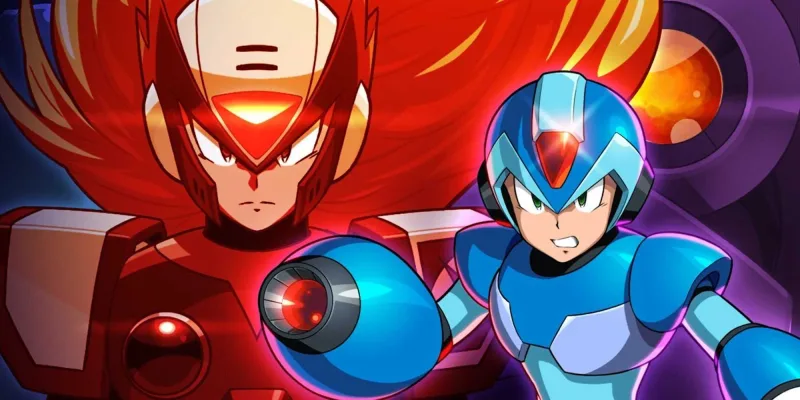
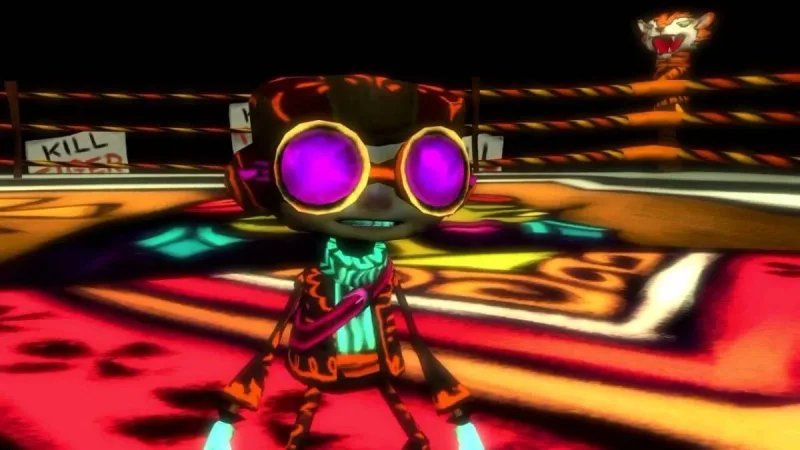
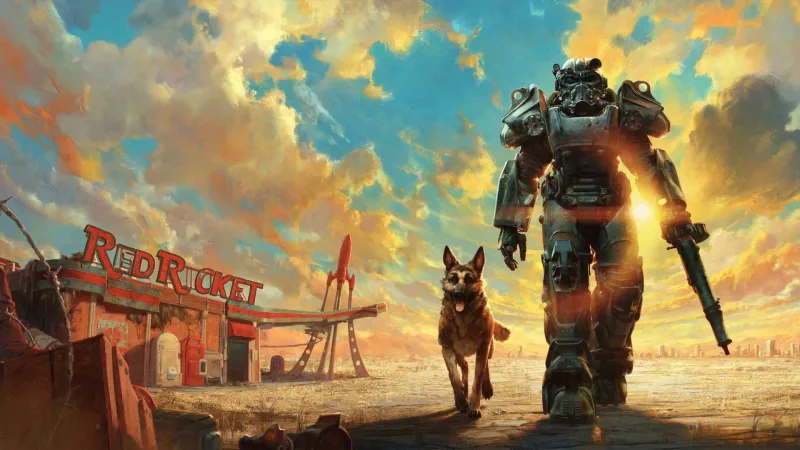
To get a sense of the energy these trailers bring, the reveal trailers from past showcases are worth revisiting:
Both give a solid idea of the production quality and pacing you can expect in 2026. These are the kind of clips that set the tone for the broadcast: fast cuts, direct-to-camera developer statements, and a soundtrack that is always a little louder than necessary.
There is also a strong chance of surprise appearances from developers and studio heads. Since the show is pre-recorded, studios use the format to deliver polished, scripted segments rather than off-the-cuff stage interviews. That means the developer commentary tends to be dense with concrete details: release windows, gameplay mechanics, and platform confirmations.
Depending on the format chosen for 2026, there may also be community voting components. Some past editions of the show have included viewer-voted awards or "most anticipated" polls, giving the audience a direct stake in the proceedings. Keep an eye on the official social channels in the weeks leading up to the show, because those interactive elements are usually announced in advance.
How to make the most of the broadcast
A showcase like this is more fun with a plan. If you are watching live, the first step is simple: turn on notifications for the Future Games Show channels so you get pinged the moment the stream goes live. Following the #FutureGamesShow hashtag on social media during the broadcast is the best way to keep up with live reactions, memes, and community hype. It also helps to have a second screen ready, because the live chat moves fast and the reveal-to-reaction cycle is part of the experience.
Watch parties are another option, and they do not have to be in person. Discord servers and streaming communities regularly host synchronized viewing sessions, where friends count down together and react in real time. If you are in a particularly active gaming community, there is a good chance someone is already planning one.
For those who miss the live show or want to rewatch specific moments, the official YouTube channel posts the full broadcast immediately after it concludes, and a curated playlist of every individual trailer usually follows within hours. The post-show hub on GamesRadar+ is also worth checking, as trailers are ranked, contextualized, and compared to give a clearer sense of what actually mattered.
Engagement is part of the appeal, too. Sharing your own hot takes during the stream, voting in any community polls, and tagging the official account with your most anticipated game are all small ways to feel connected to the wider audience watching along. Gamescom week is one of the few times the whole industry is looking in the same direction, and the Future Games Show captures that collective energy better than most.
The bottom line
The Future Games Show at Gamescom has grown into more than just another trailer dump. It is a carefully paced, community-first broadcast that celebrates the full spectrum of the medium, from the biggest-budget blockbusters to the scrappy indie experiments that define the next generation of game design. For fans who want to see what is coming next, it remains one of the highest-value streams of the summer.
Bookmark the official pages, set your alerts, and check back here as Gamescom 2026 approaches for the first confirmed start time. After the stream ends, GamesRadar+ will have the full breakdown, every trailer ranked, contextualized, and organized into a watch list. When the broadcast goes live, the global gaming community will be watching together, and you will not want to be the one scrolling through spoilers the next morning.

Comments
Join the Conversation
Share your thoughts, ask questions, and connect with other community members.
No comments yet
Be the first to share your thoughts!