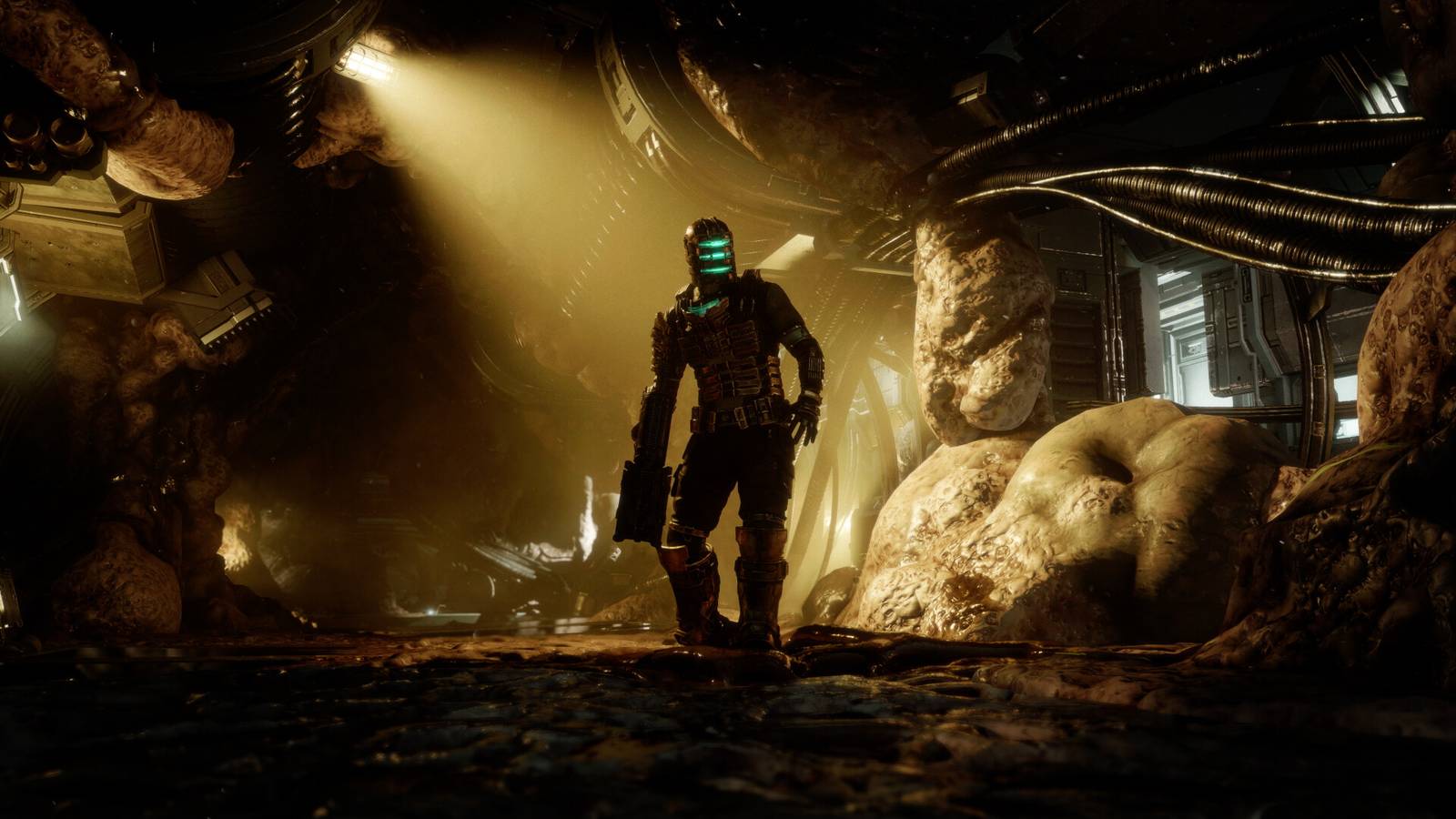
The Dead Space Dilemma: Why a Celebrated Remake Left the Franchise in Limbo
The 2023 Dead Space remake was a masterclass in how to revitalize a classic. Developer Motive Studio didn’t just polish the 2008 survival horror gem; they rebuilt it with reverence, enhancing its atmospheric dread on the Frostbite engine while faithfully honoring its iconic dismemberment combat. The result was a critical darling, showered with praise from both reviewers and the series’ devoted fanbase. It seemed like the perfect launchpad for a full franchise revival. Yet, barely a year later, the future of Dead Space is deader than a Necromorph-infested corridor. Despite its acclaim, the game’s commercial performance has led publisher Electronic Arts to place the entire IP in deep freeze. This stark contradiction raises a chilling question: what went wrong with this celebrated comeback, and what does it mean for one of survival horror’s most iconic series?
A Critical Success with Commercial Caveats
There was no denying the quality of the product. The Dead Space remake launched to excellent reviews, with many hailing it as the definitive way to experience Isaac Clarke’s nightmare aboard the USG Ishimura. It successfully walked the tightrope of modernizing gameplay and visuals while preserving the tense, isolating horror that defined the original. For the core fanbase, it was a dream come true—a signal that EA and Motive truly understood the IP’s value.
Commercially, the game was no failure. EA itself reported the title had sold "a couple of million units," a solid figure for a single-player, narrative-driven horror game. However, this is where the story takes a grim turn. According to multiple reports, those sales, while respectable, fell short of EA's internal financial expectations. In the high-stakes economy of AAA development, where budgets for such polished remakes can soar into the tens of millions, "solid" is often not enough. The game needed to be a breakout hit, and by EA's metrics, it wasn't. This gap between critical applause and corporate spreadsheet targets set the stage for the franchise's current, frozen state.
The Domino Effect: Cancelled Sequels and a Frozen IP
The direct consequence of the remake’s perceived underperformance was swift and decisive. According to reputable insider Jeff Grubb, plans for a Dead Space 2 remake—a project reportedly already in early development—were scrapped in 2024. The reason was directly tied to the first remake’s sales figures.
This cancellation was not an isolated pause but part of a larger corporate strategy. Insider Gaming’s Mike Straw, citing internal sources, reported the official status: the Dead Space IP is now "on ice" at EA. Even more definitively, Straw stated there are currently "zero plans to bring back Dead Space in the near future." The dots connect with brutal corporate logic: the first remake was a test, a probe to gauge the market’s appetite. The commercial return, in EA’s eyes, indicated that appetite wasn’t large enough to justify further investment. The franchise has been sent back to the void.
Internal Crossroads: To Sell or To Shelve
Within the halls of EA, the situation has reportedly created a crossroads. Some individuals, perhaps those who championed the remake, reportedly hope company leadership will opt to sell the Dead Space IP rather than let it languish indefinitely. This sentiment may be influenced by broader corporate shifts, notably the potential acquisition of EA by the Saudi Arabian Public Investment Fund (PIF). Such a major transaction could catalyze asset reviews and sales to recoup costs or streamline the portfolio, making a beloved but "underperforming" IP like Dead Space a potential candidate for the auction block.
The alternative is a continuation of the current status quo. If EA chooses not to sell, the franchise will remain in its dormant state—a valuable asset locked in a vault, with no team assigned to it and no projects greenlit. This leaves the series in a peculiar limbo: too valuable to abandon completely, but not valuable enough to actively develop. The future of Isaac Clarke now hinges less on narrative and more on boardroom calculus.
The Bigger Picture: AAA Realities vs. Niche Appeal
The Dead Space dilemma highlights a fundamental tension in modern AAA game development: the clash between blockbuster financial expectations and the niche appeal of specific genres. Survival horror, by its very design, is often about limitation, vulnerability, and a smaller, more intense scope. It’s a genre that thrives on cult followings rather than mass-market, billion-dollar appeal.
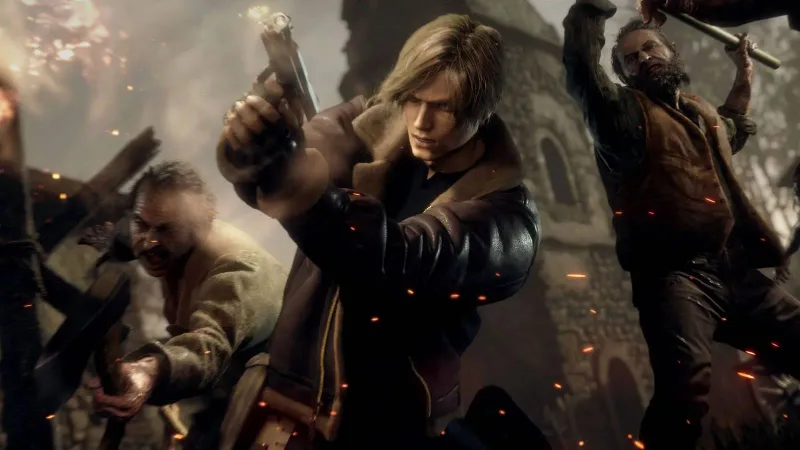
EA’s decision reveals the immense risk publishers now associate with reviving beloved but specialized franchises. The budget required to meet today’s graphical and technical standards for a AAA title is enormous, and the return must match that investment. This situation stands in stark contrast to Capcom’s Resident Evil remake strategy, which has seen consistent commercial and critical success. For context, Resident Evil 2 (2019) has reportedly sold over 10 million units, setting a commercial benchmark that the Dead Space remake's "couple of million" likely failed to meet in EA's eyes. The difference may lie in scale, brand management, or perhaps a publisher’s tolerance for the genre’s typical sales ceilings. For EA, Dead Space’s performance, while good, apparently didn’t clear the high bar needed to secure its future.
The journey of the Dead Space remake is a bittersweet saga for the industry. It stands as a brilliant, heartfelt love letter to fans, a proof-of-concept that the series’ horror could be flawlessly translated for a new generation. Yet, its legacy is equally defined by its inability to meet the colossal financial expectations of its publisher. It wasn’t killed by poor quality or a lack of passion, but by a spreadsheet. For now, the plasma cutter is powered down. The franchise’s faint hope for revival no longer lies with developers or fans, but with a corporate decision: to sell or to shelve. For now, the haunting silence of the USG Ishimura persists, a testament to a masterpiece caught between a fan's dream and a publisher's bottom line.
Comments
Join the Conversation
Share your thoughts, ask questions, and connect with other community members.
No comments yet
Be the first to share your thoughts!